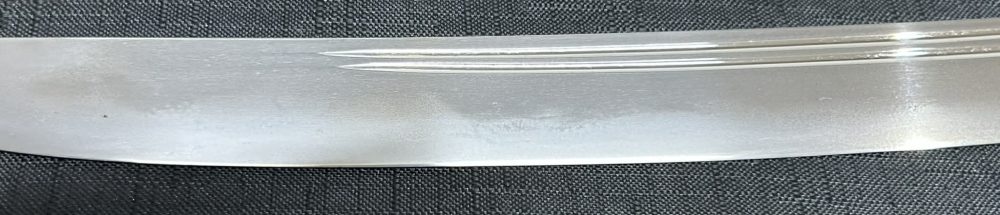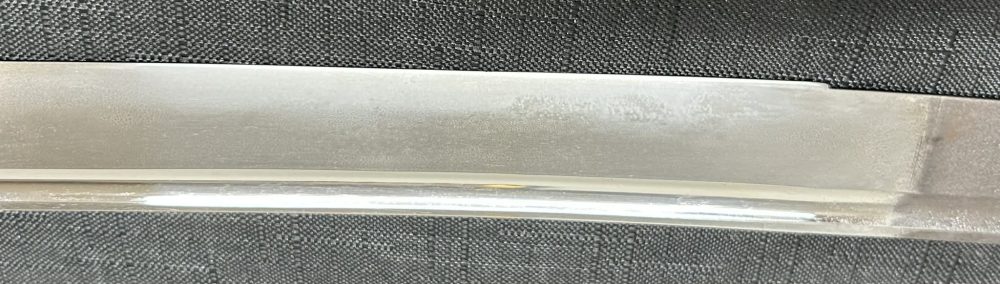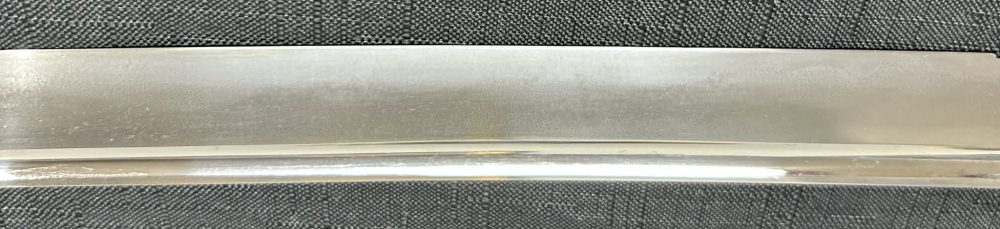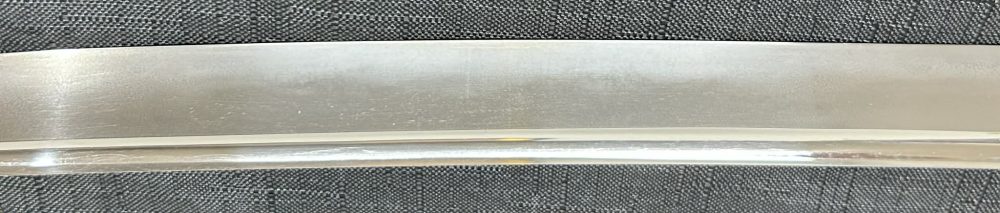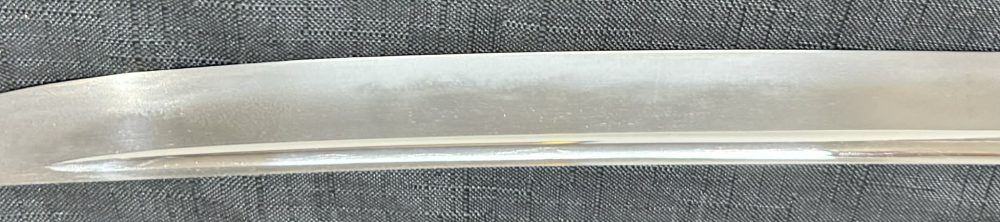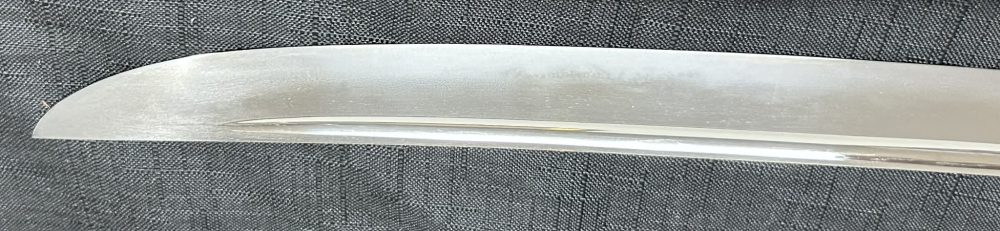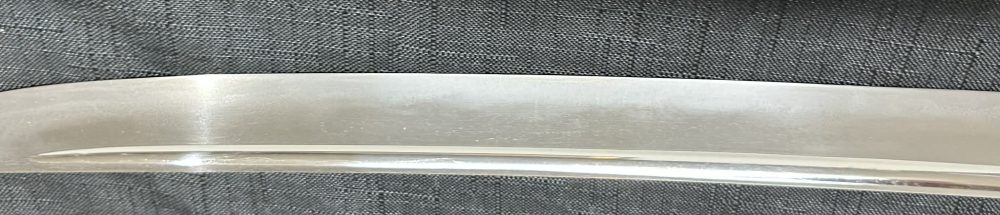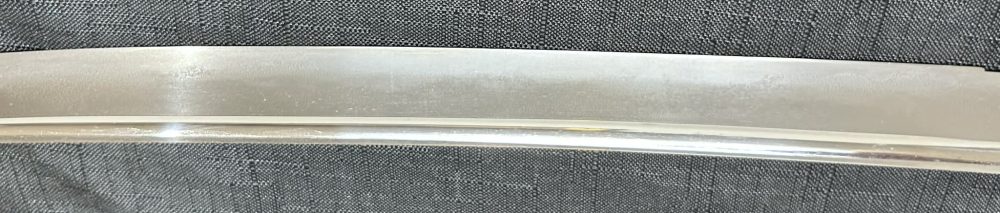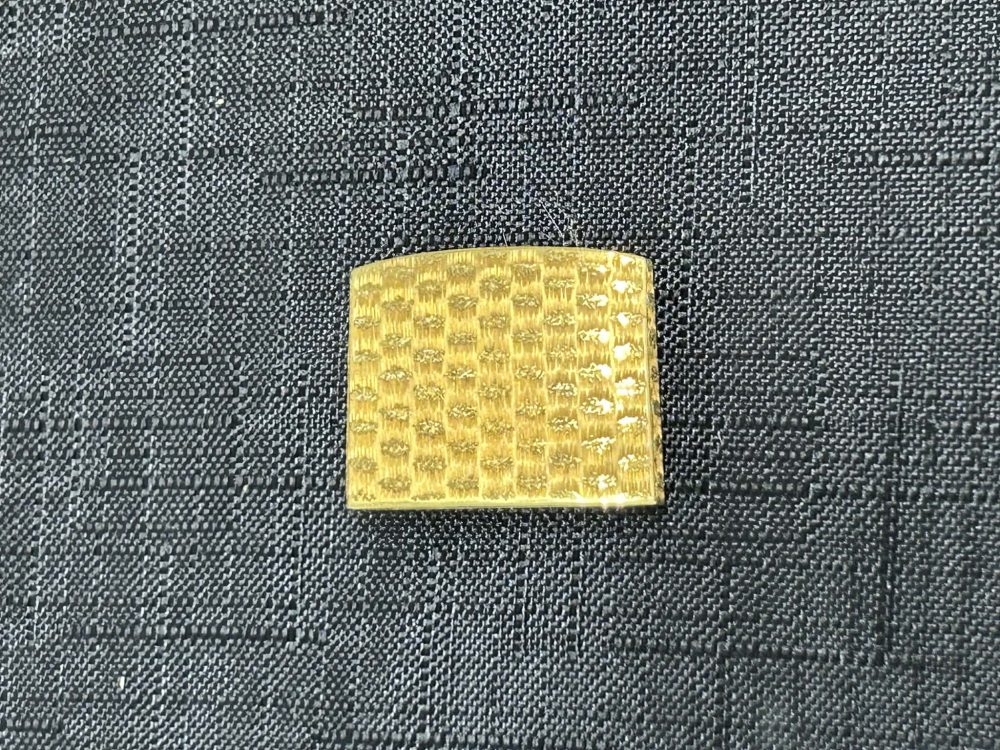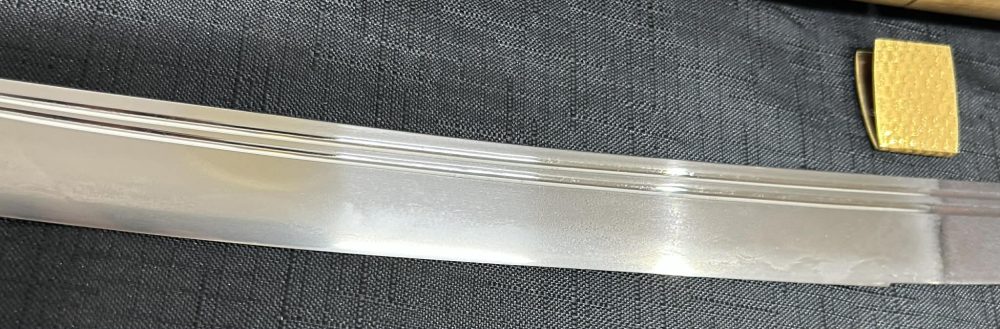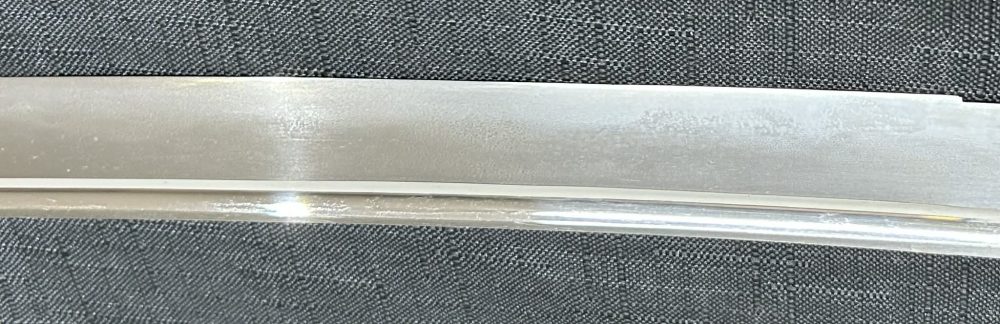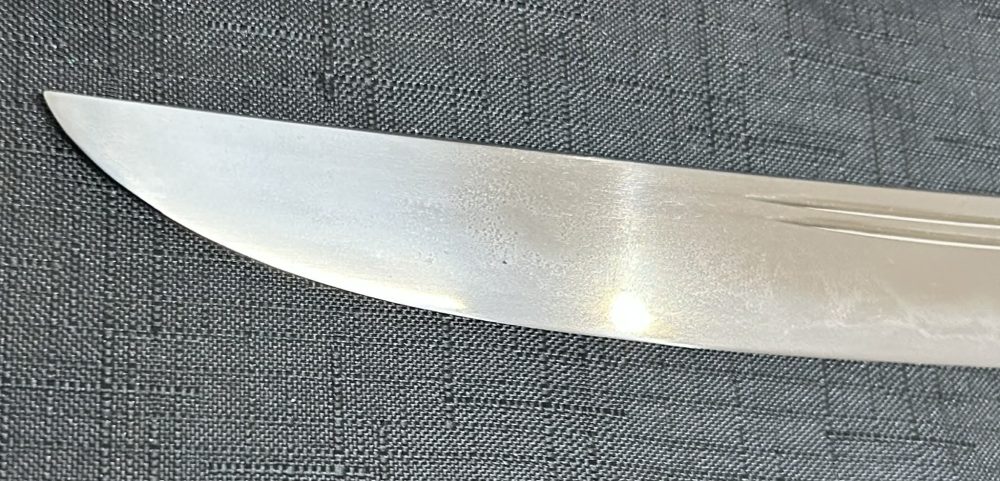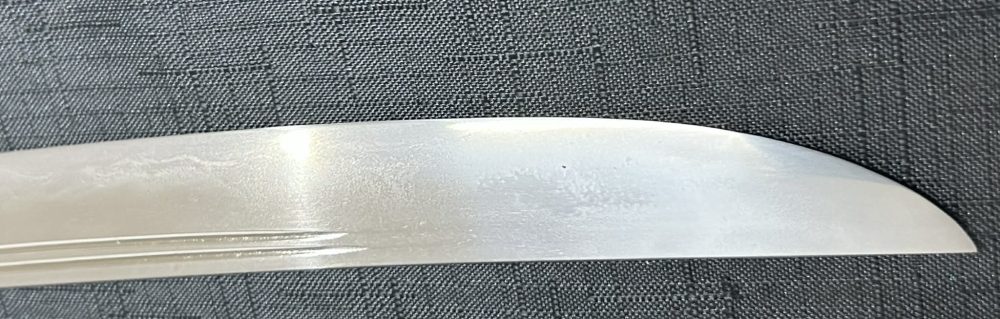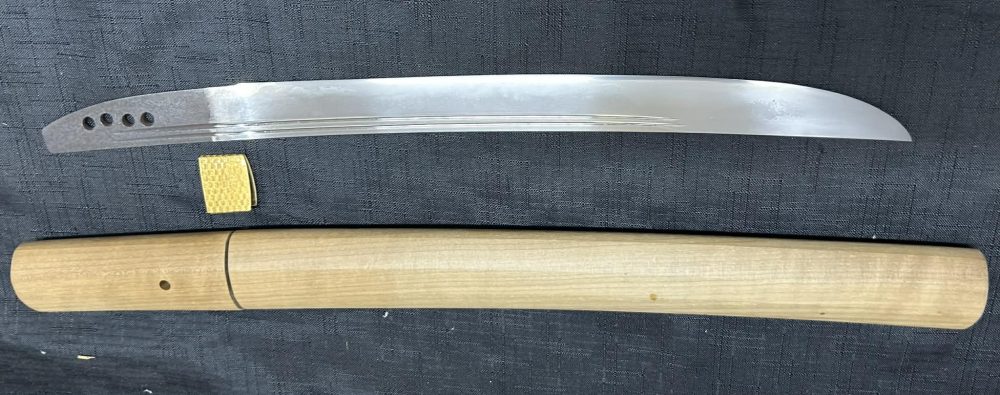
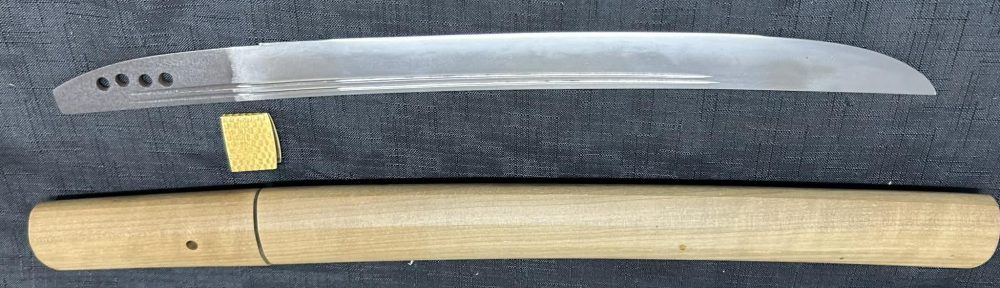
Mumei Koto Tanto Attributed to Shimada excellent well forged blade flamboyant Hamon packed with Hataraki in full recent Japanese Polish.
Mounted in Shirasaya
NBTHK Hozon Certificate
The Shimada school was a lineage of renowned Japanese swordsmiths that flourished in Suruga Province (modern-day Shizuoka Prefecture) from the mid-Muromachi period (around 1450) through to the late Edo period. Blades made by the school, including katana, are highly prized historical artifacts.
Key Characteristics of the Shimada School
Founding and Lineage: The school was founded by Yoshisuke (義助), also known as Gisuke, in the mid-15th century. The main line of smiths often incorporated the character “suke” in their names (e.g., Sukemune, Hirosuke, Motosuke).
Influences: The Shimada school was notably influenced by the techniques of the prestigious Soshu school of swordsmithing due to their geographical proximity and interactions with smiths in the region. They also incorporated aspects of the Mino tradition.
Patronage: The swordsmiths received many orders from powerful feudal lords during the Sengoku period (Warring States period), including the Imagawa, Takeda, Tokugawa, and Hojo clans.
Blade Style: Shimada school katana and other blades are often described as having a strong, robust form (sugata) with a wide blade width (mihaba) and large point (kissaki), reminiscent of the dynamic Nambokucho style.
Forging Patterns: The surface steel pattern (jigane) is a notable feature, frequently displaying a prominent, beautiful itame-hada (wood grain pattern) that can blend with mokume (burl patterns), often with abundant ji-nie (small crystalline particles) and chikei (bright lines).
Temper Lines: The temper line (hamon) is typically a shallow notare (wave) mixed with gunome (irregular patterns) or ko-midare, showcasing the smiths’ mastery of intricate tempering techniques
Notable Swordsmiths
Yoshisuke (Gisuke): The founder of the school, active in the mid-15th century. He is famous for creating the Otegine no Yari, considered one of Japan’s three greatest spears.
Hirosuke: Considered one of the most accomplished smiths of the school, known for his skill in forging and the dynamic style of his blades,which often had elaborate cutting test inscriptions (saidan-mei).