Enquire
Koretsugu Katana with Nagahisa 2 body Gold Test.Tokubetsu Hozon Certificate
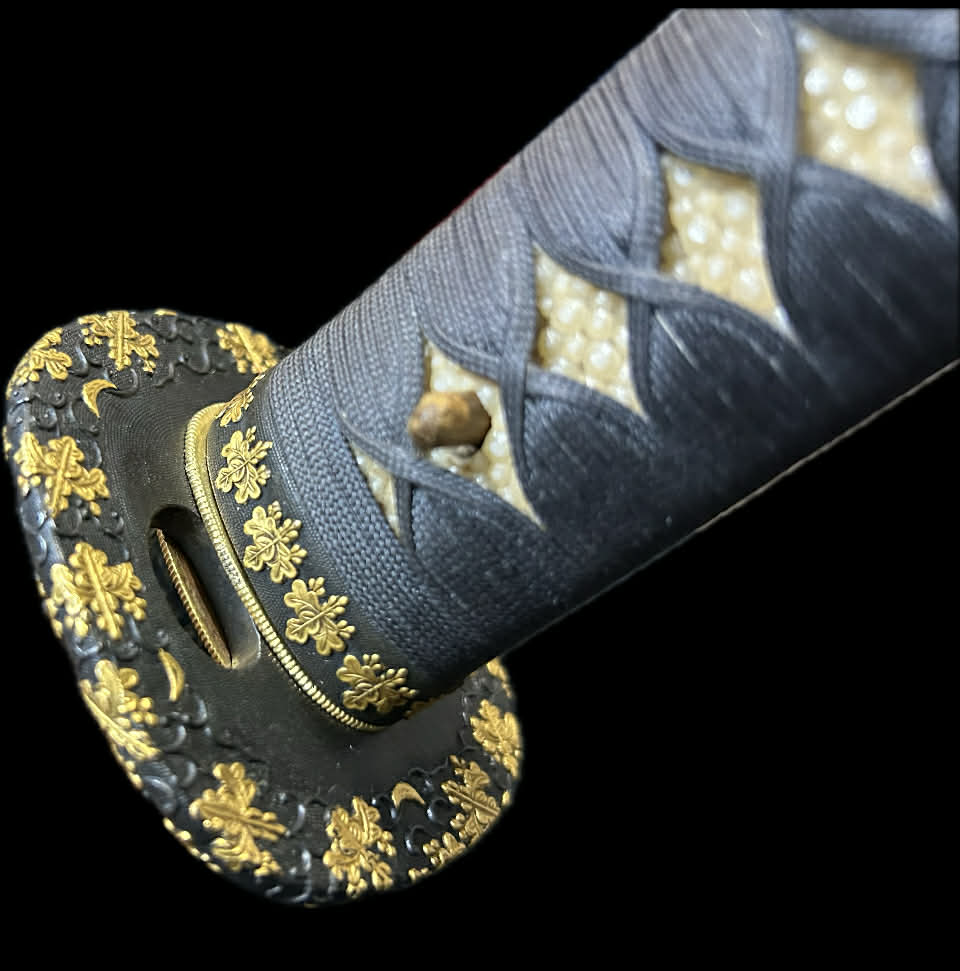
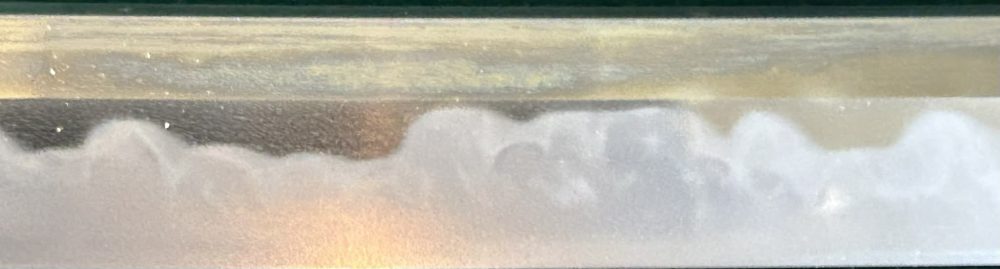
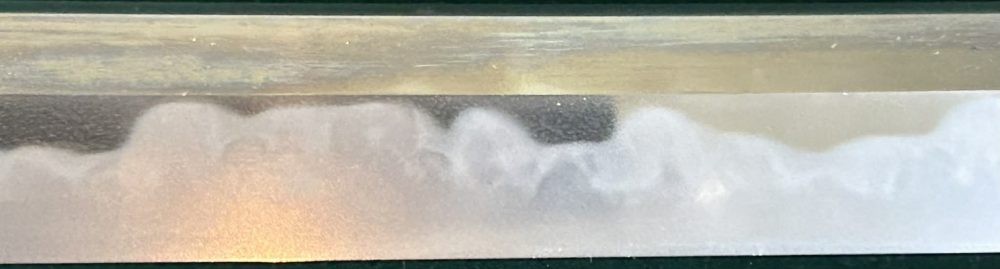
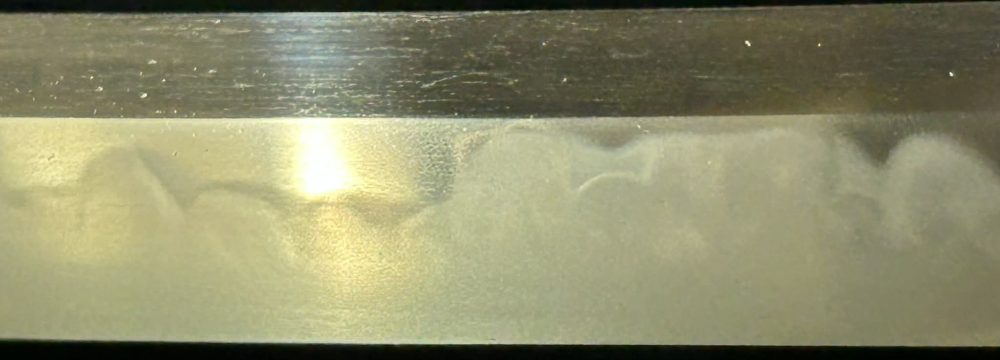
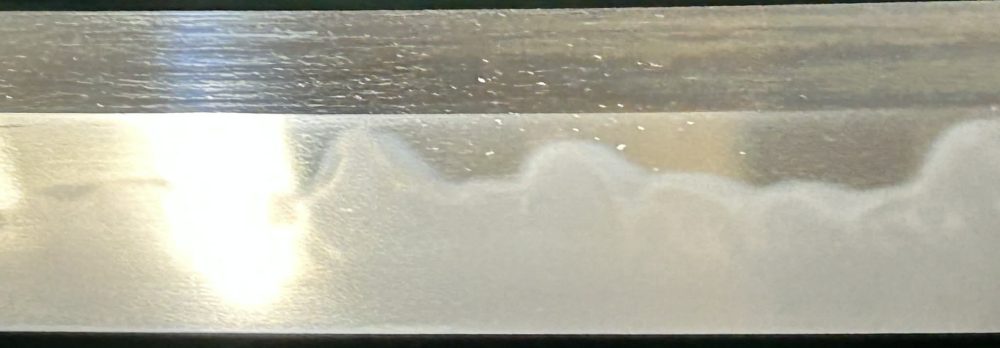
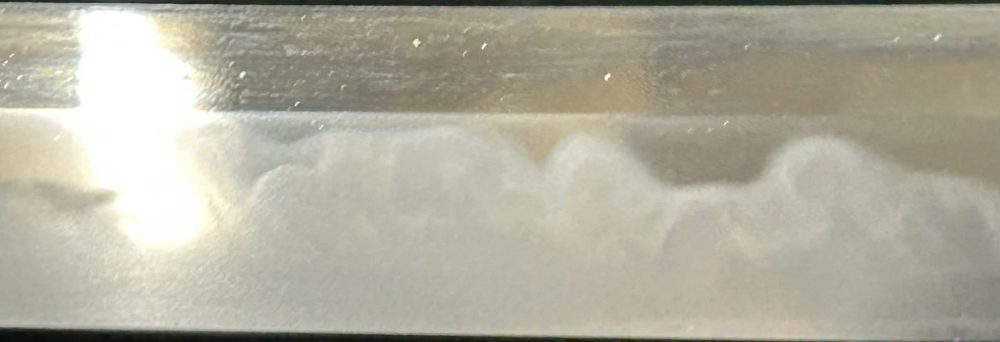
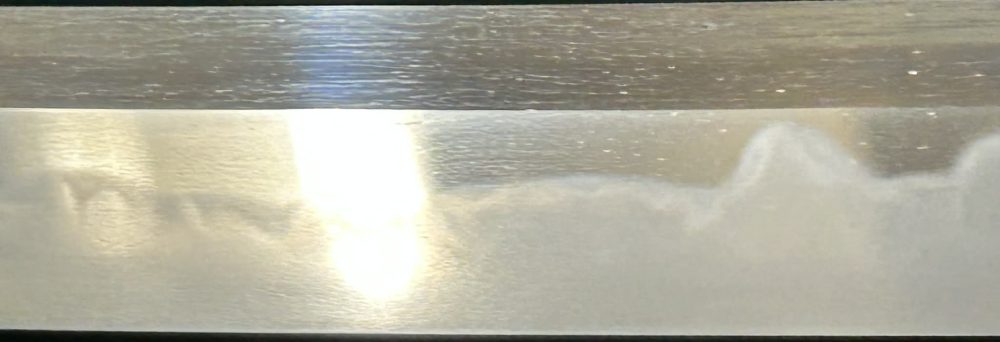
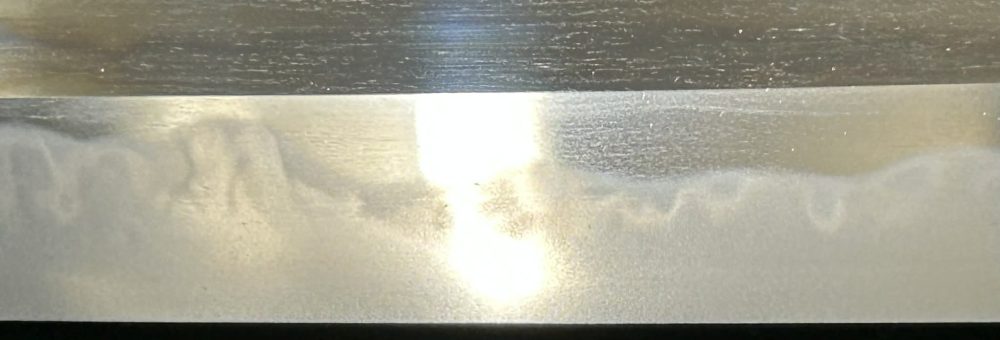
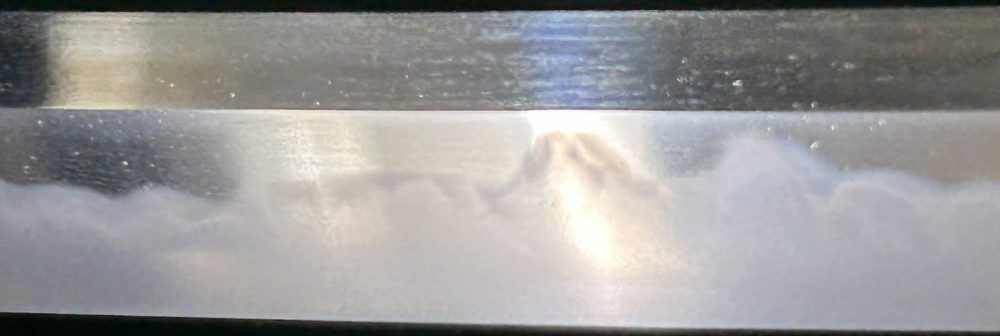
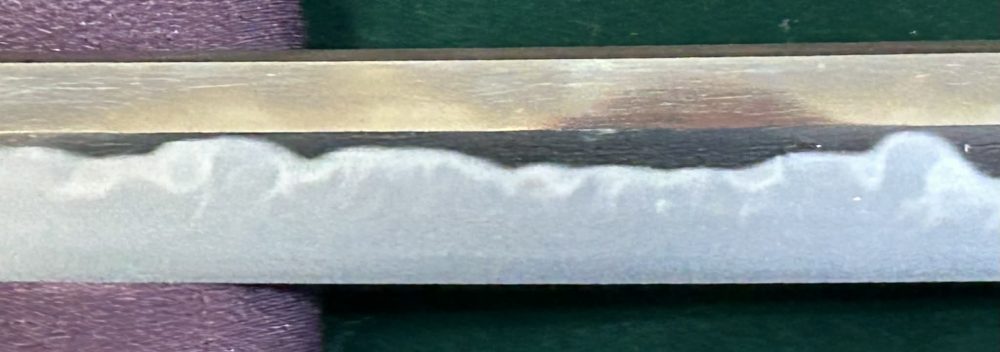
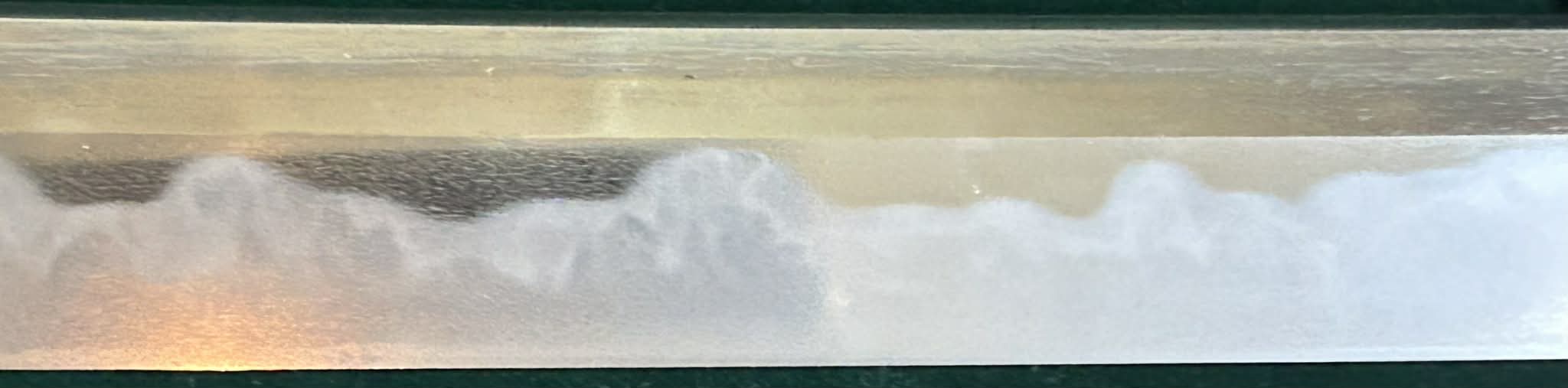
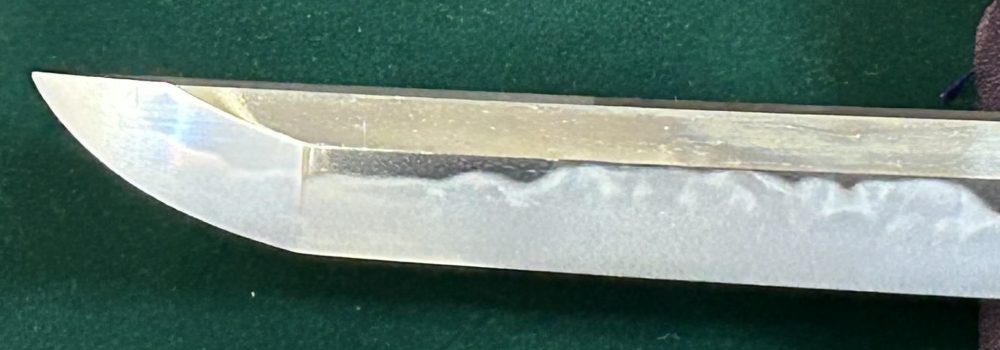
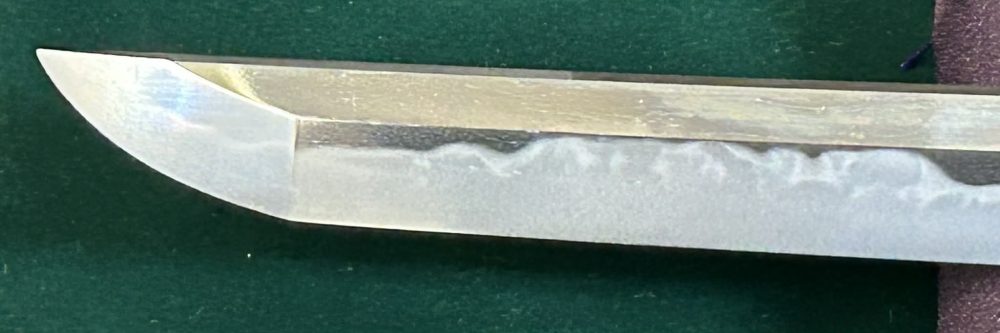
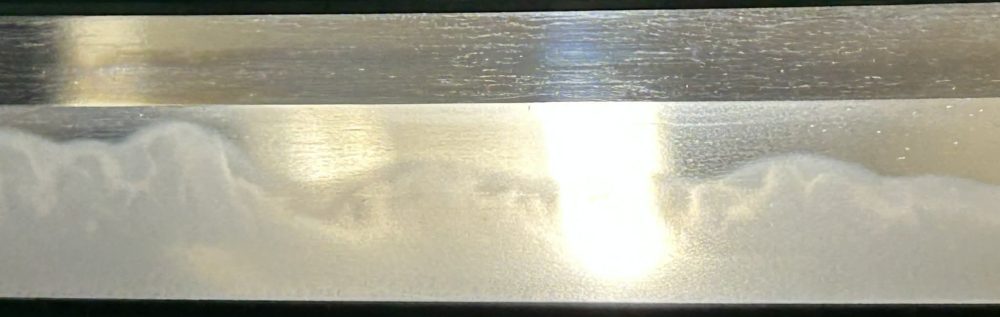
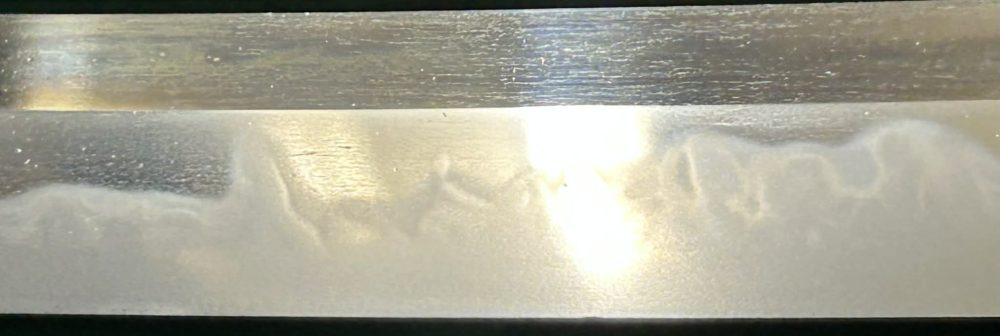
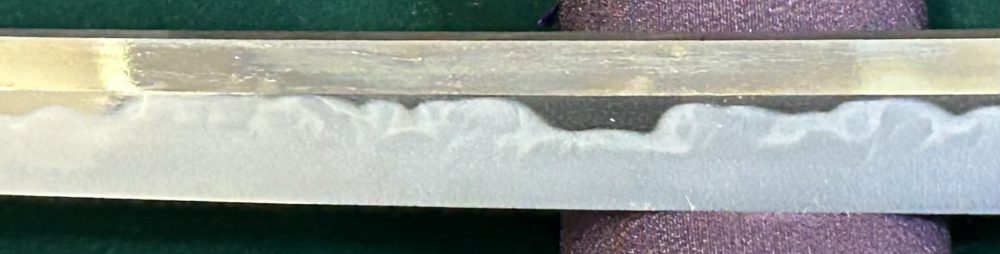
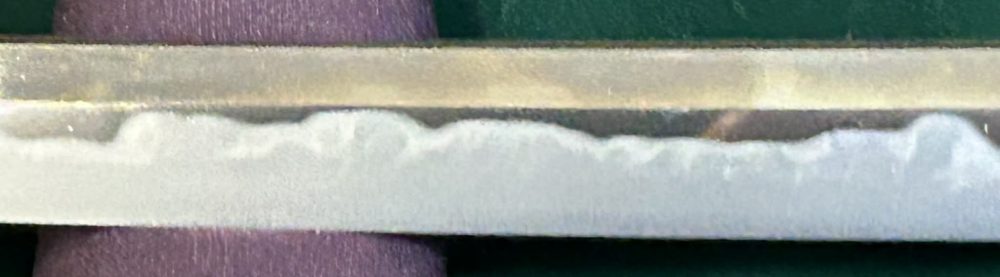
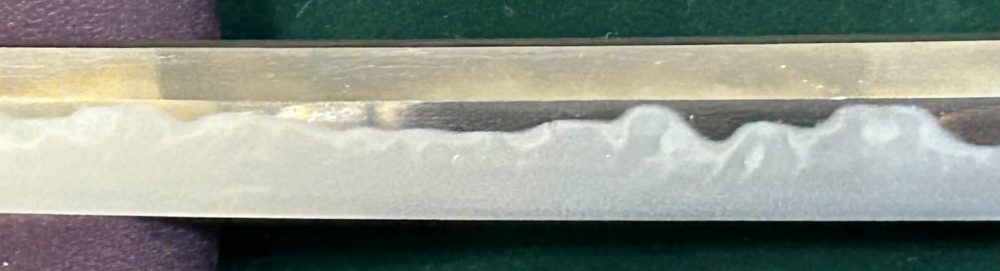
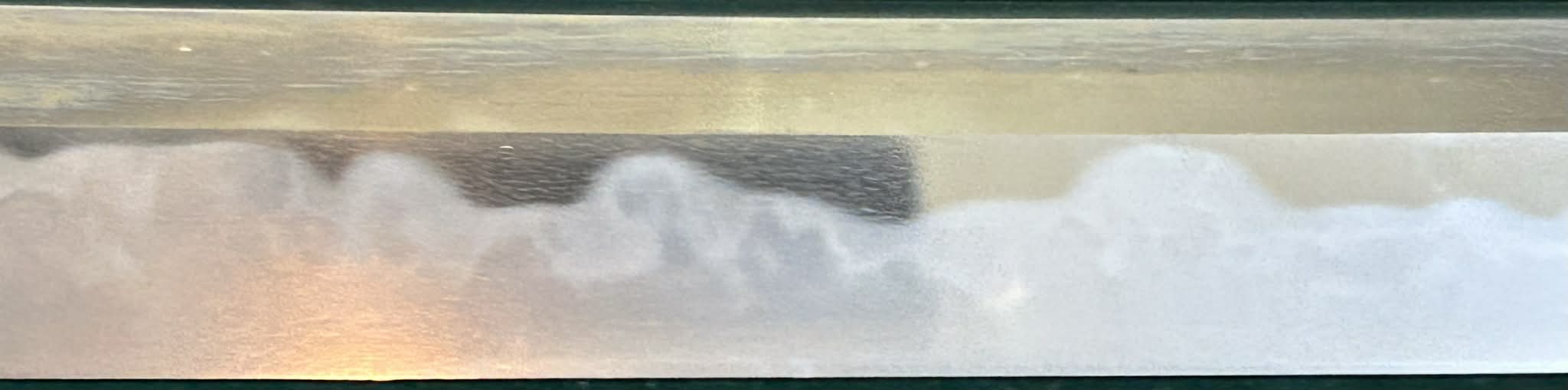
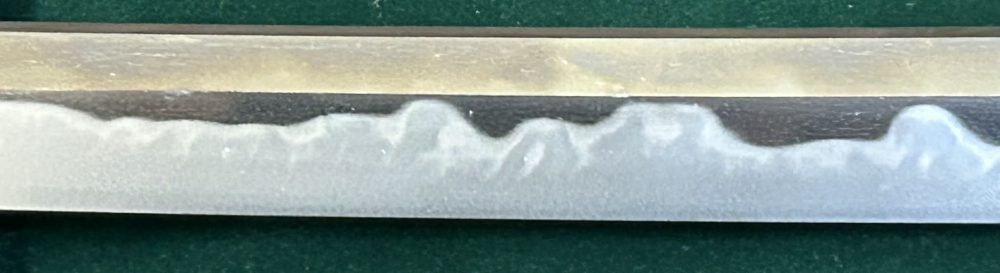
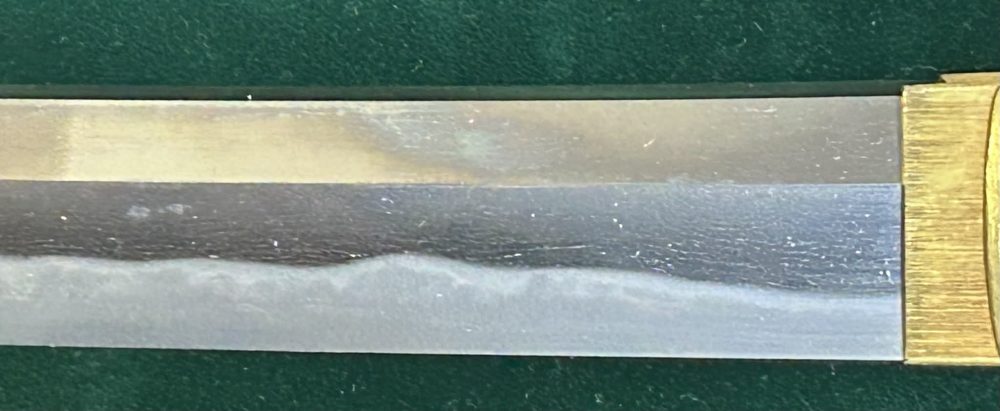
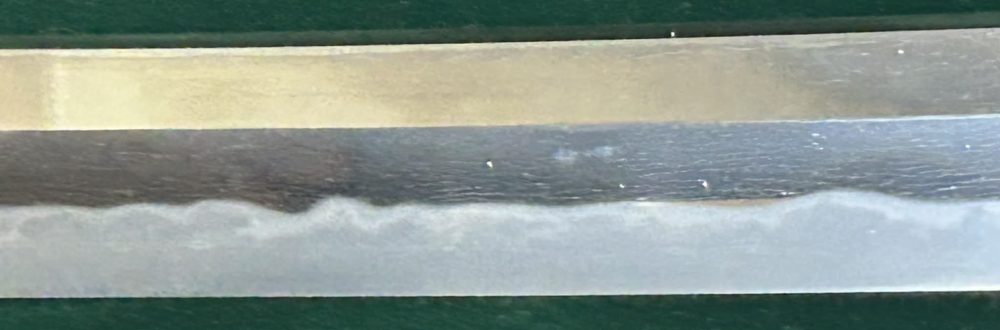
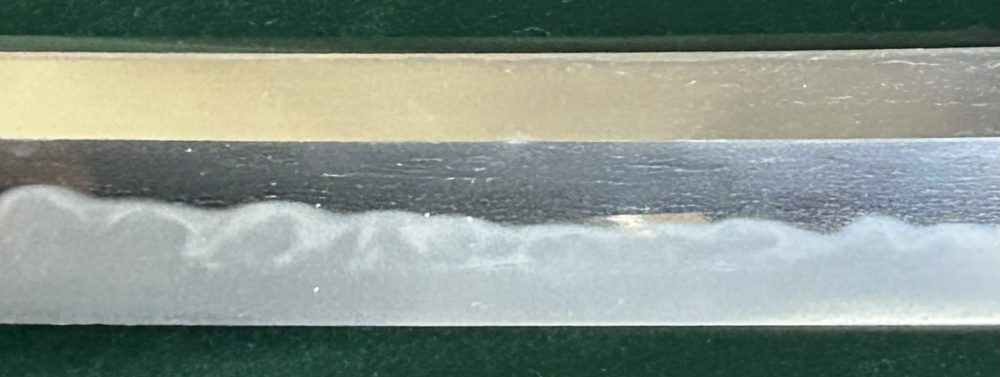
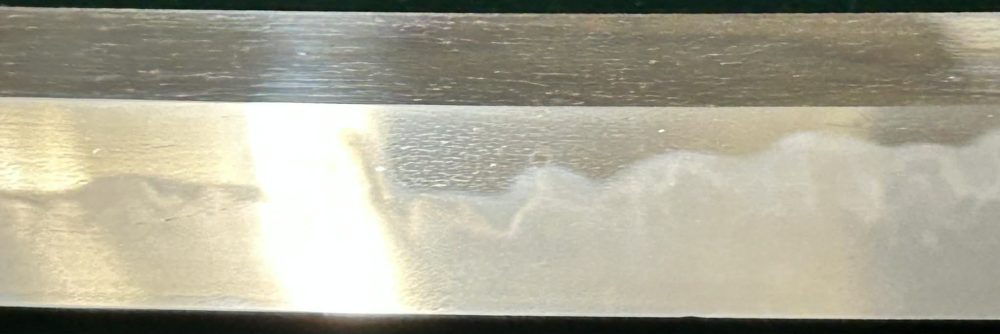
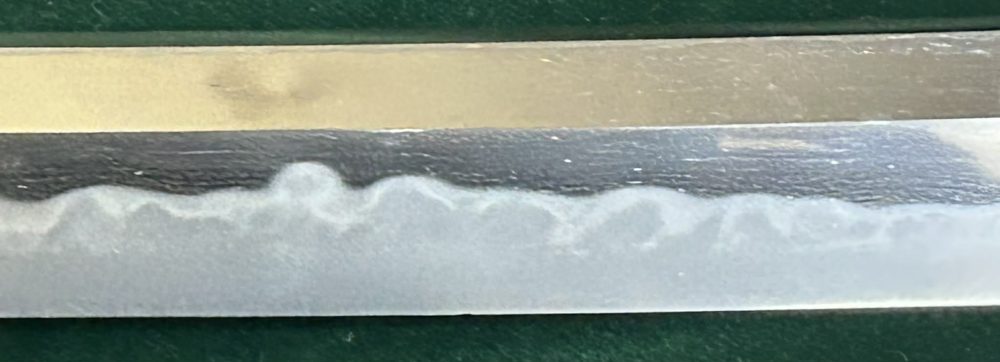
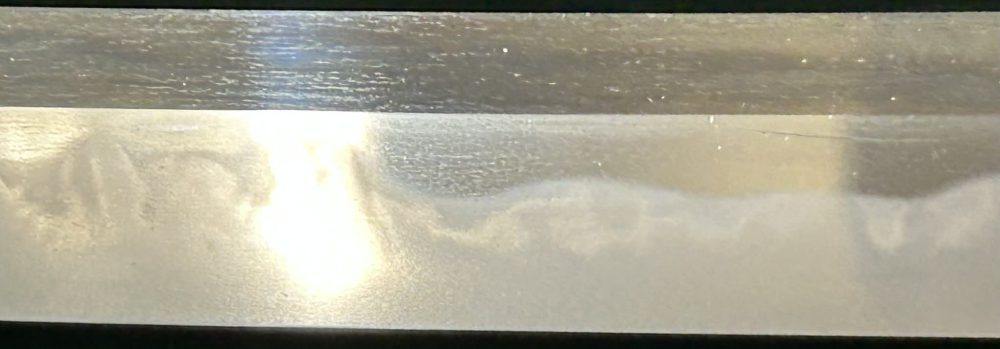
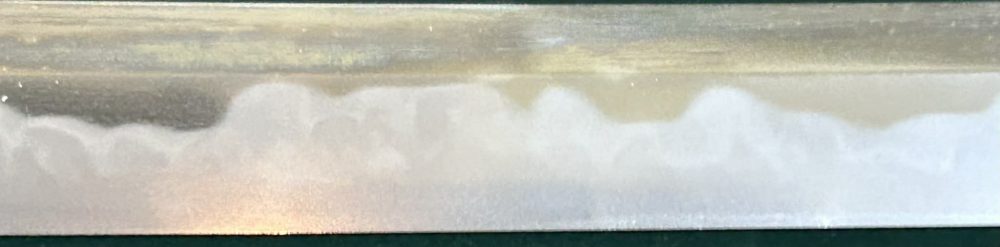
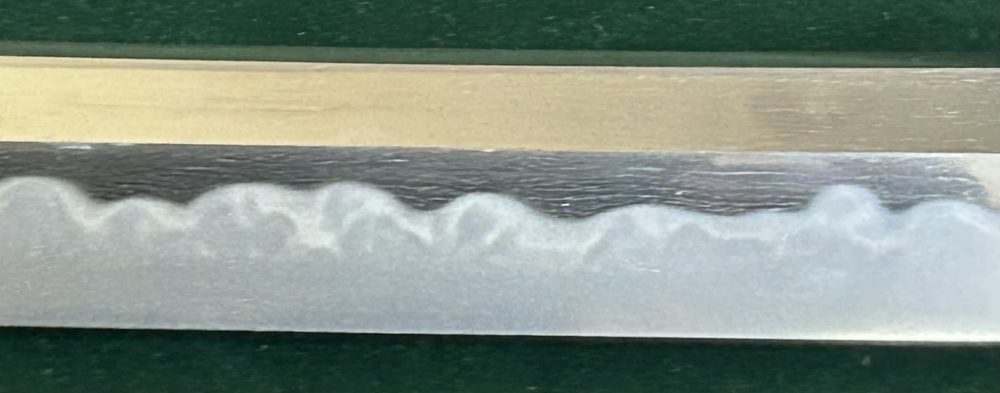
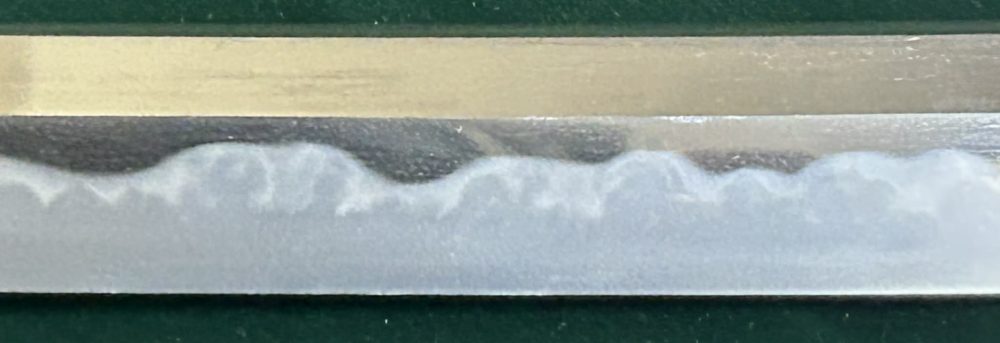
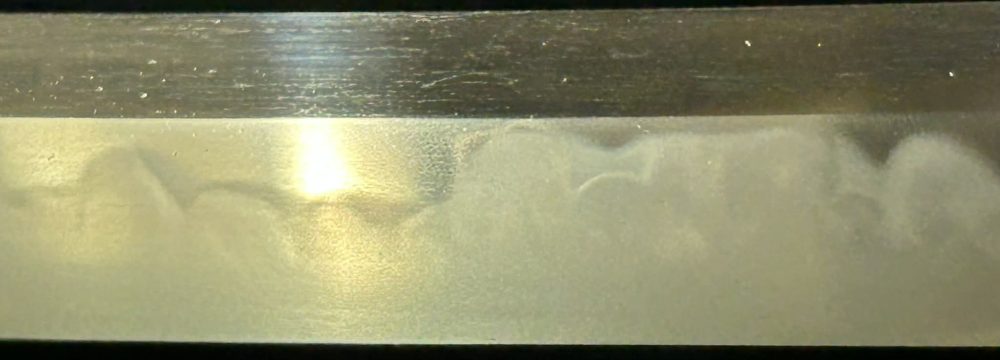
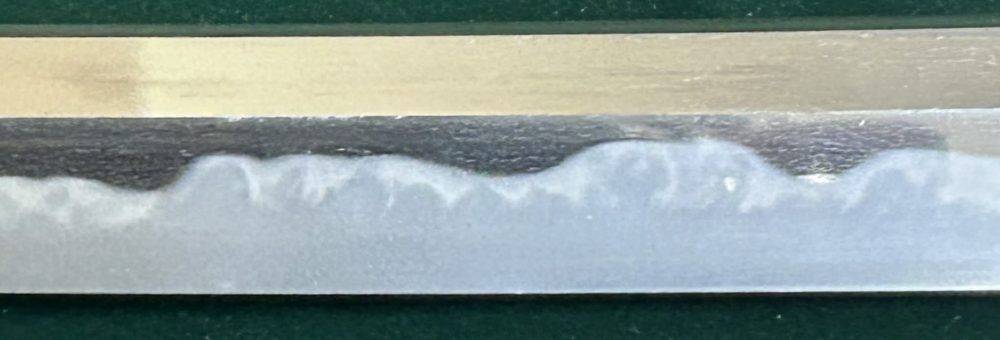
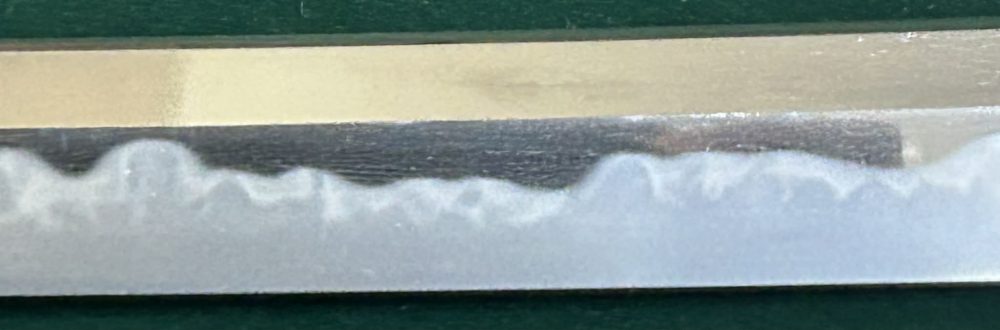
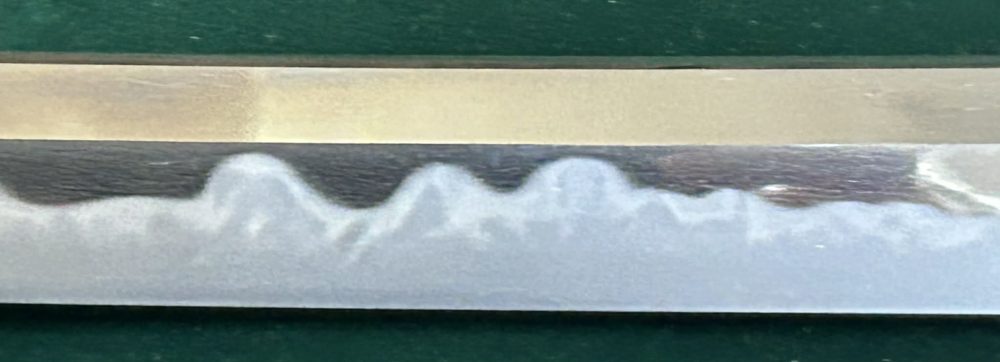
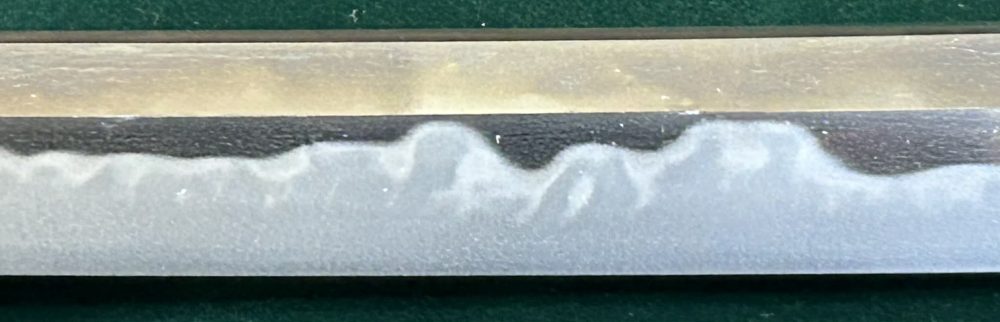
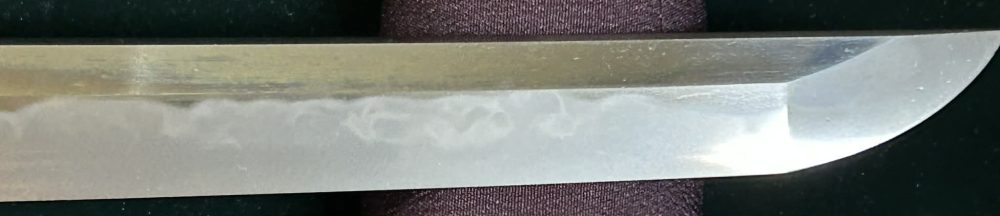
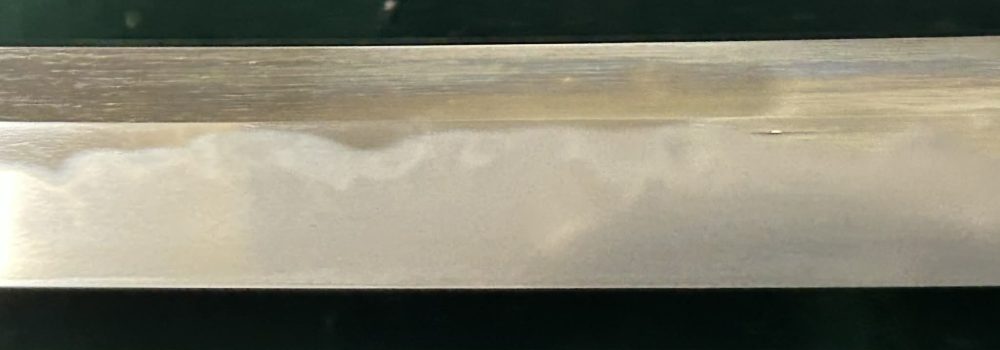
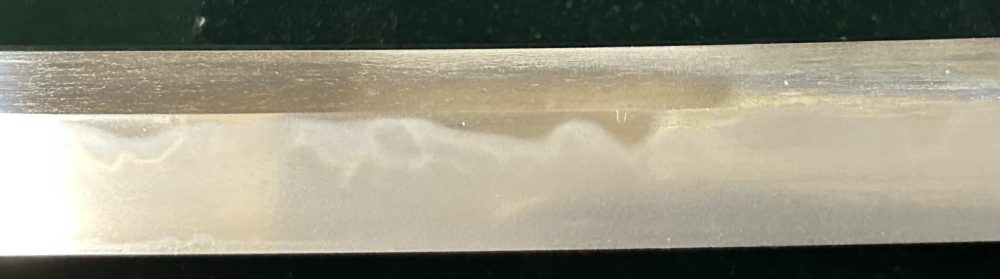
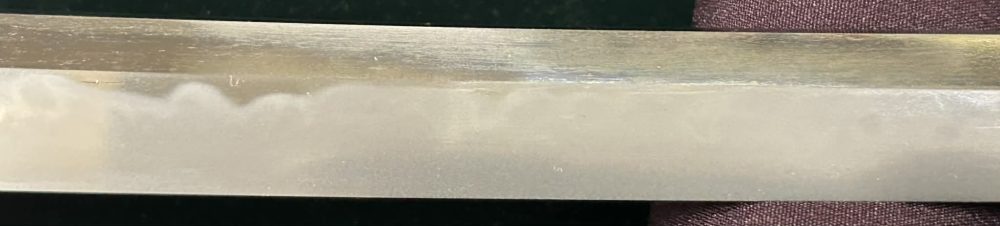
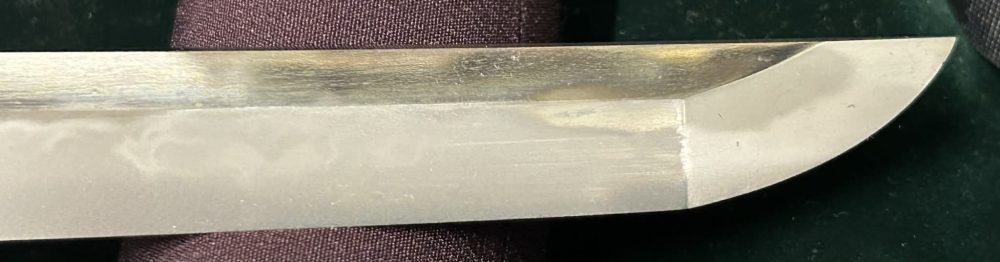
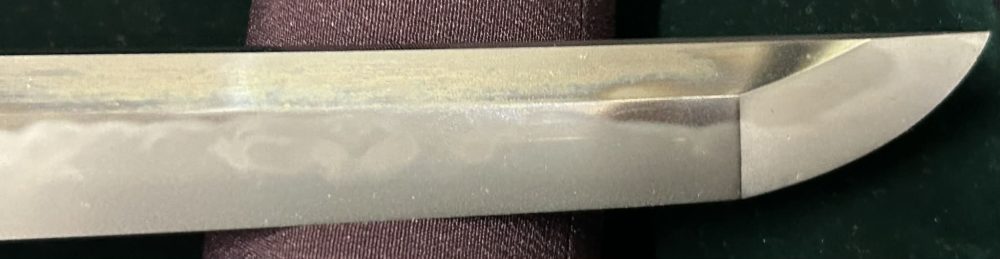
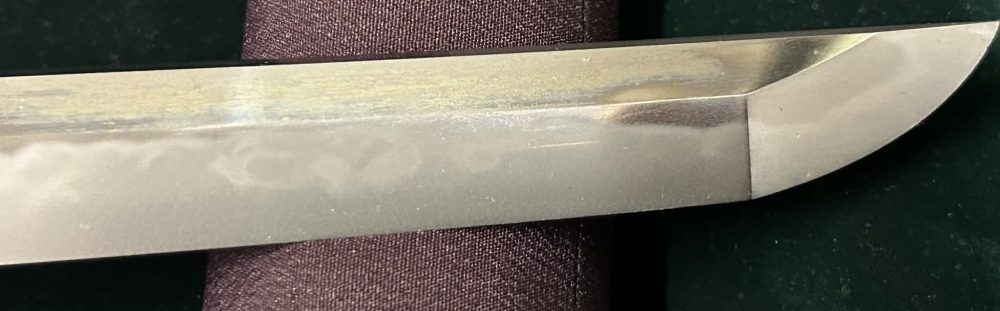
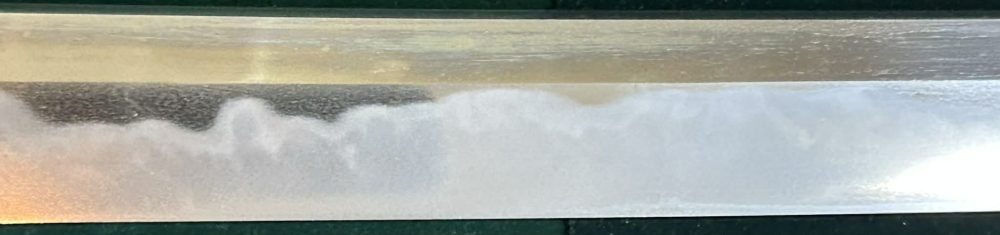
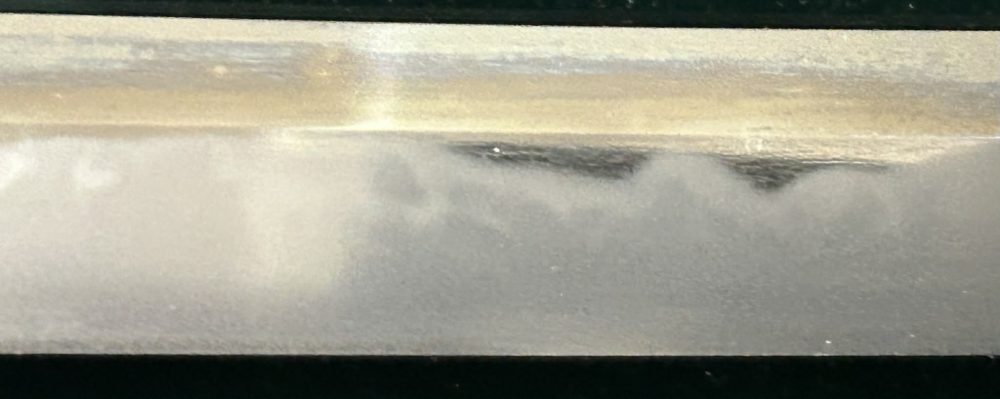
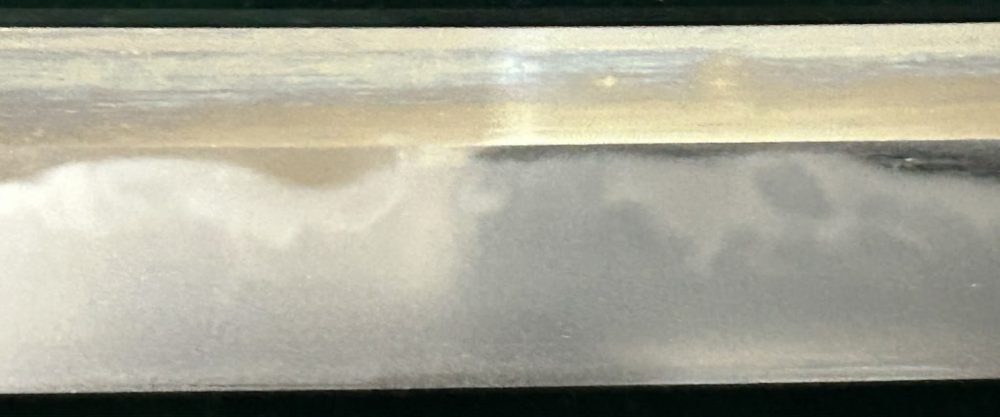
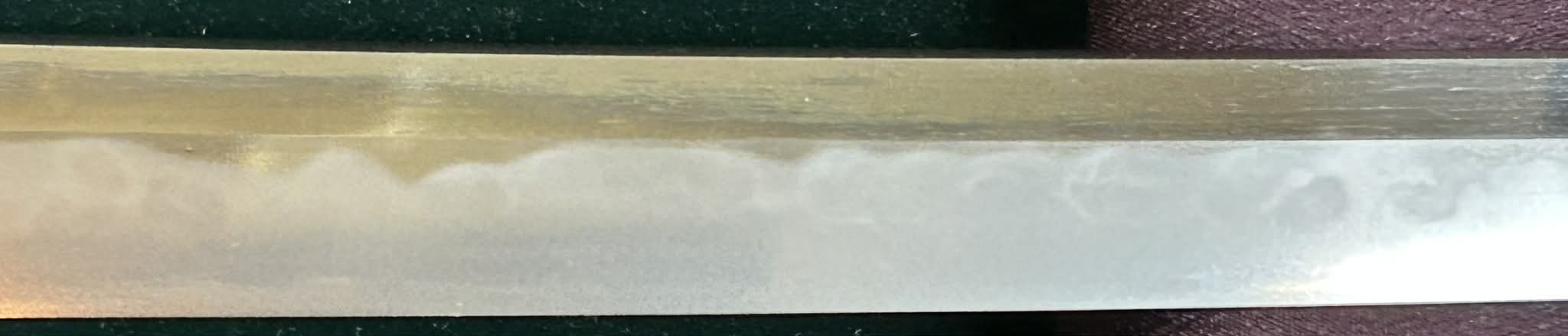
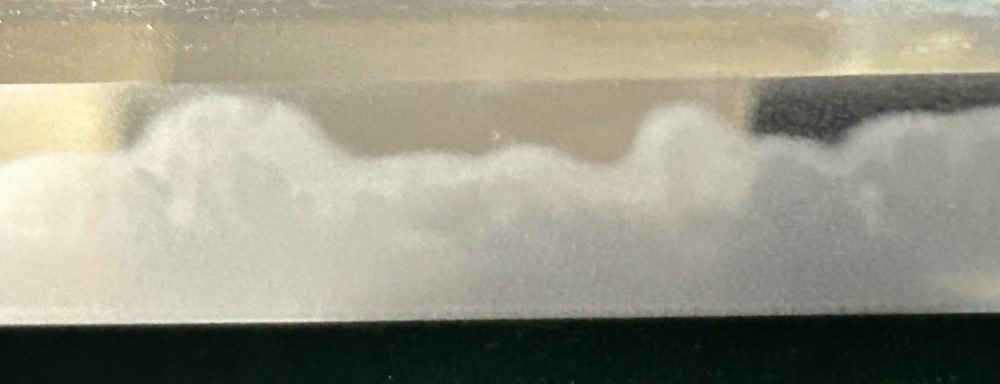
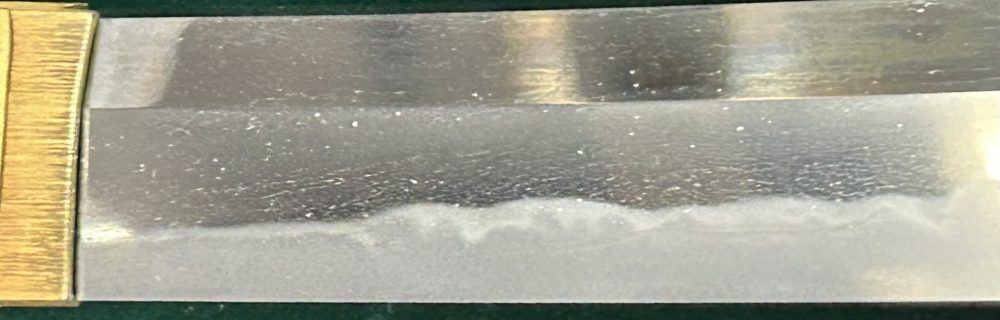
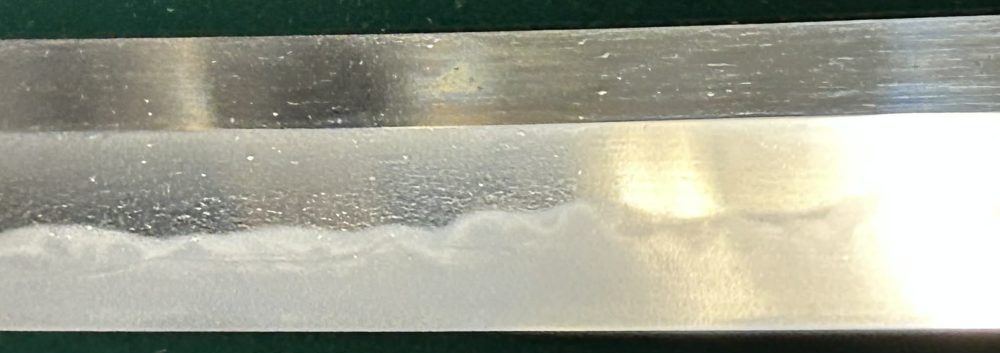
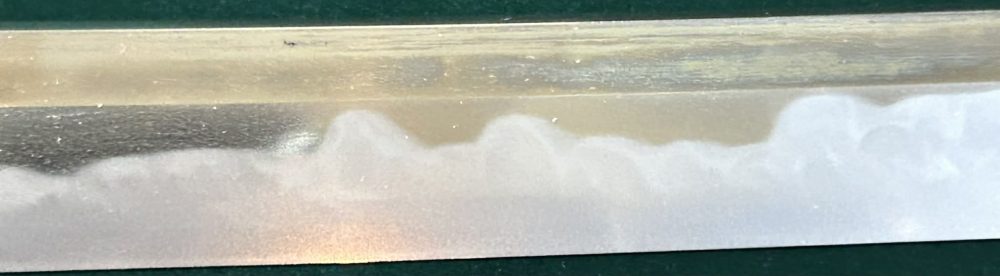
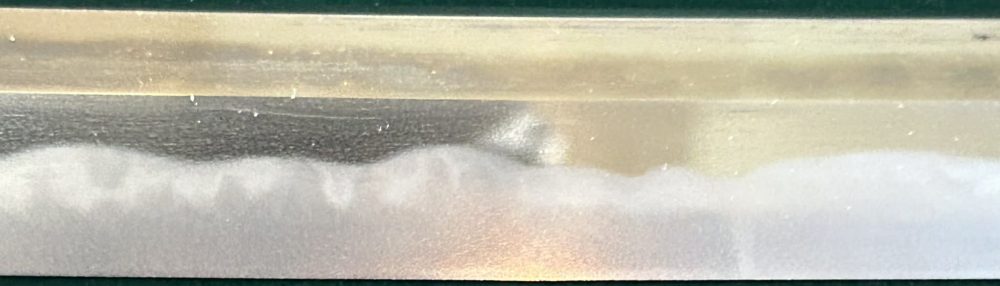
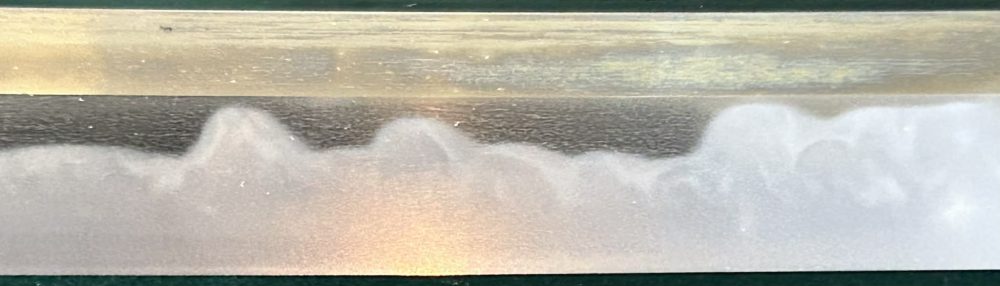
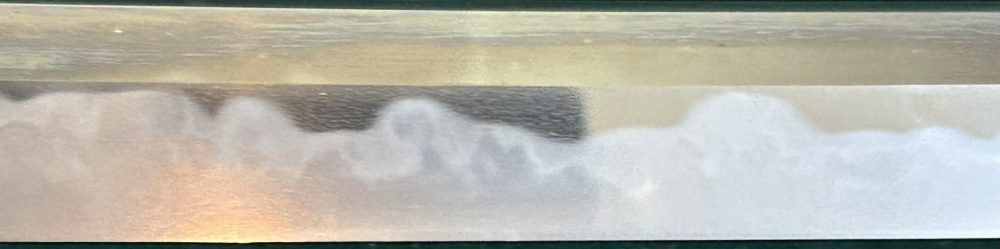
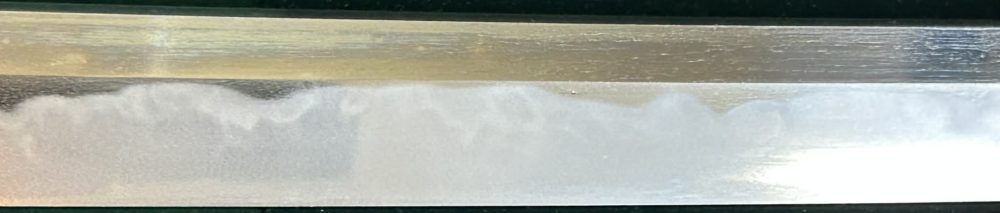
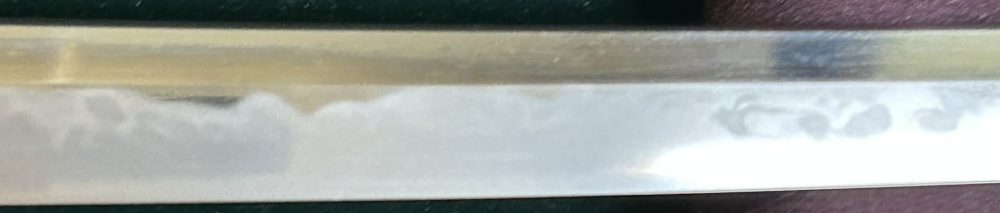
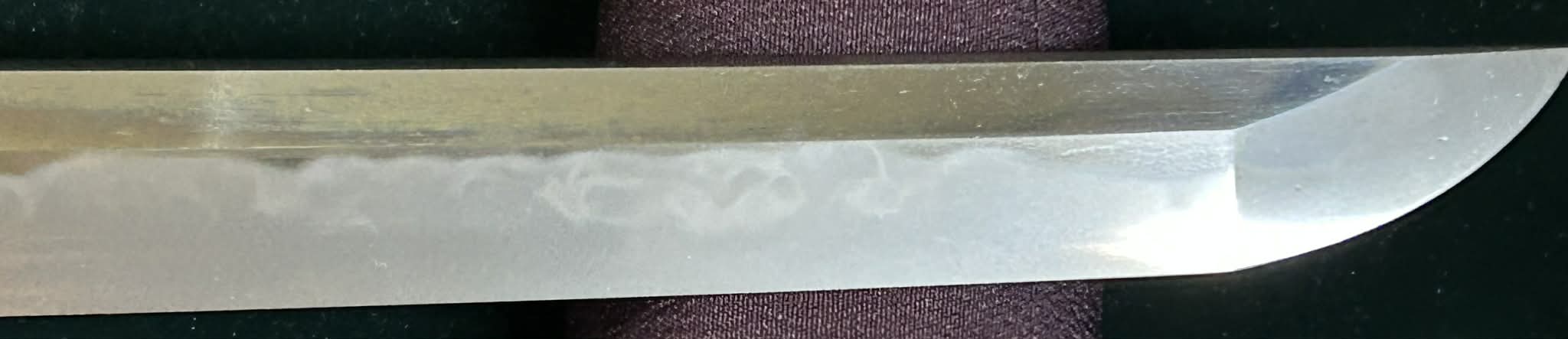
An Excellent Katana superb well forged blade with super flamboyant Hamon packed with Hataraki
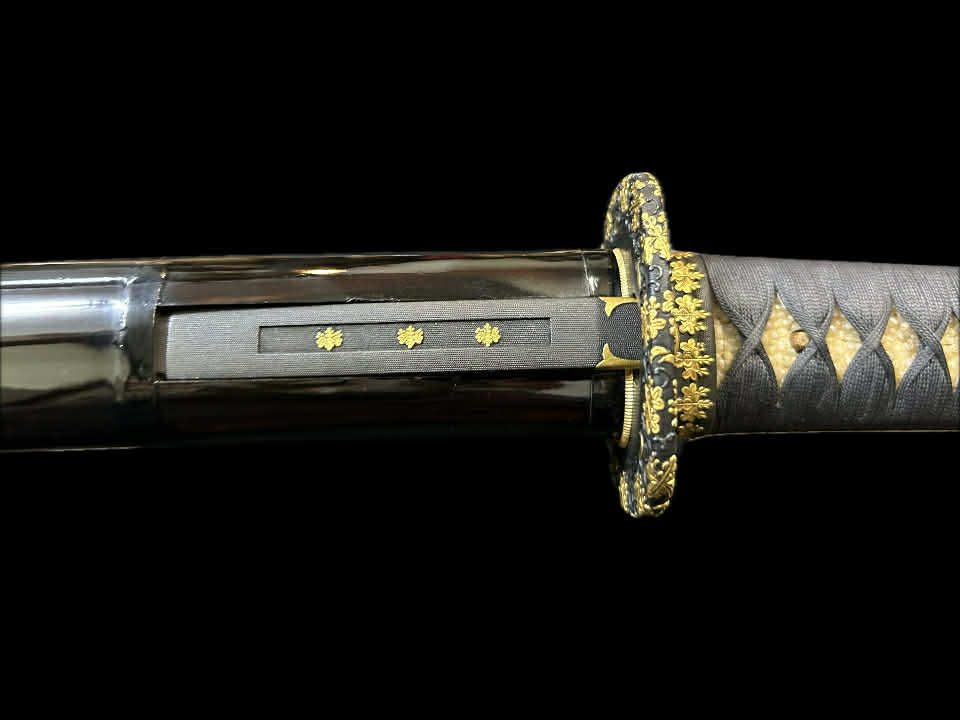
Signed Chikuzen Fukuoka ju Koretsugu
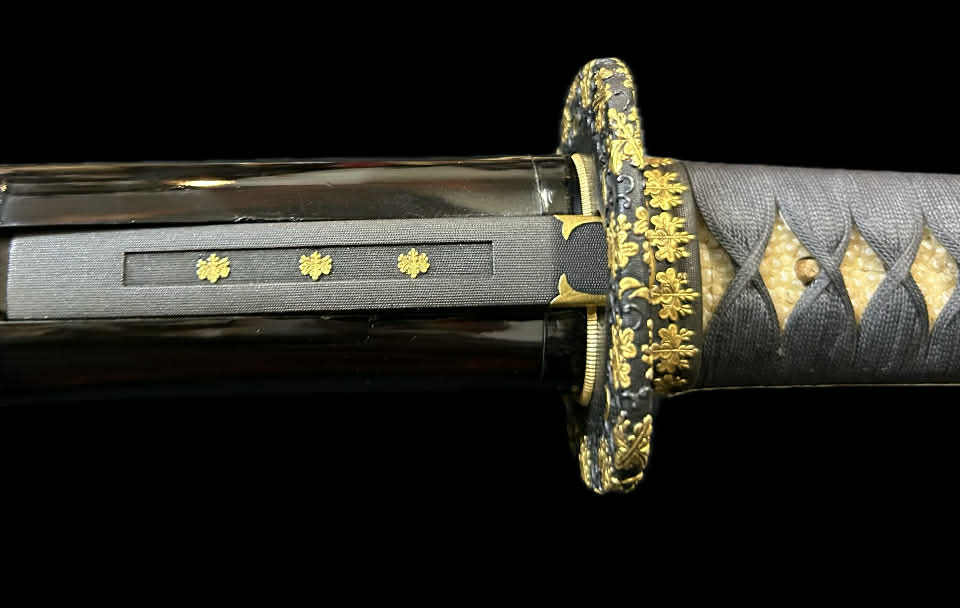
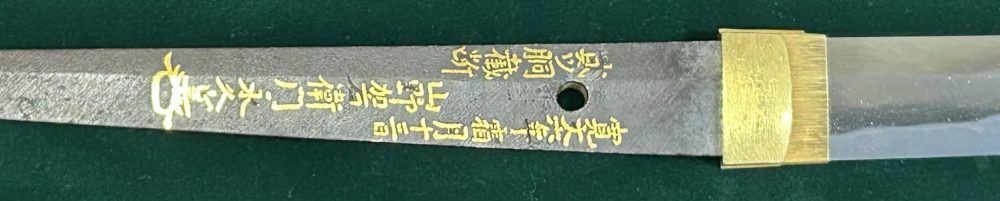
Kinzogan gold cutting test mei reads. Futatsu Do Setsudan On “Yamano Kaʼemon Nagahisa cut with this blade on the thirteenth day
of the eleventh month Kanbun six (1666) through two bodies
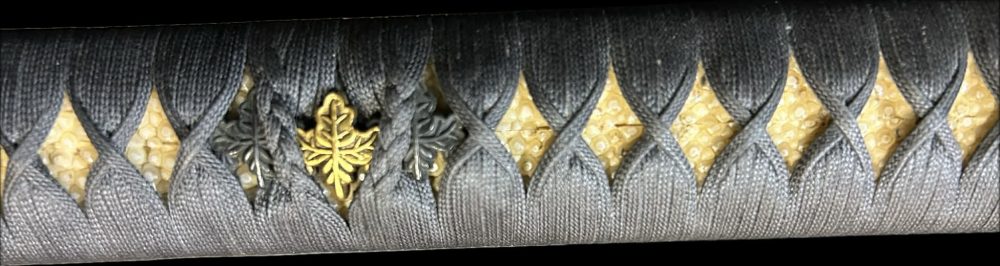
Shirasaya and Excellent Koshirae with all matching Shakudo with Kirimon Tosogu fittings
KANTEI-SHO (鑑定書) ‒ APPRAISAL
Katana, signed:
Kinzōgan-mei:
Chikuzen no Kuni Fukuoka-jū Koretsugu (筑前國福岡住是次) ‒ “Koretsugu, resident of Fukuoka in Chikuzen province”
Kanbun rokunen shimotsuki jūsannichi, futatsu-dō setsudan,
Yamano Kaʼemon Nagahisa + kaō
(寛⽂六年霜⽉⼗三⽇、貮ッ胴截断、⼭野加右衛⾨永久「花押」) ‒ “Yamano Kaʼemon Nagahisa cut with this blade on the thirteenth day
of the eleventh month Kanbun six (1666) through two bodies + monogram”
Nagasa ~ 68.8 cm
Better Pics and info to Follow
Futatsu (二つ): Two.
Do (胴): Body/torso.
Setsudan (切断): Cutting, severing, or amputation. Historical Significance: During the Edo period, swords were tested on the bodies of executed criminals. A “Futatsudo” (or Futatsu-do) rating indicates a high-level cutting ability, certifying the sword’s immense sharpness. Technique: The bodies were usually stacked on a mound, with the cut typically performed across the torso (often one through the chest and one through the abdomen). This term is sometimes written as Futatsu-do Kiriotoshi or Futatsu-do Saidan.