
An Excellent Kunikiyo Katana made from Nanbantetsu with Futatsudo (Double Gold Test) Tokubetsu Hozon Certificate
Signed with Kikumon
Cut test says 2 bodies were cut and dropped
Made from Nambantetsu (Imported Iron)
Mounted in Shirasaya
Signature: (kikumon) Yamashiro no Kami Fujiwara Kunikiyo
Gold-inlaid secondary inscription: KitaeNanbantetsutsurugi no — “Forged from Southern Barbarian Iron” / Futatsu-dō Otoru — “Cut through two bodies”
(Wazamono) — Certified blade of superior cutting ability
SPECIFICATIONS
Province: Echizen
Period: Kanbun era (c. 360 years ago)
Blade length: 2 shaku 4 sun 2 bu (73.3 cm)
Curvature (sori): 5 bu
Base width: 1 sun 9 bu
Tip width: 7 bu 4 rin
Spine thickness: 2 bu 3 rin
Ridge thickness: 2 bu 6 rin 5 mo
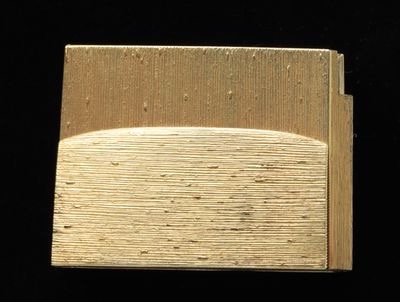
Mounting: Shirasaya; gold-foiled double habaki;
Yamashiro no Kami Kunikiyo was a swordsmith in the service of the Echizen Matsudaira domain. The first generation served under the third lord Tadamasa, received a stipend of 150 koku, and left behind distinguished works including a blade designated a Prefectural Important Cultural Property dated Kan’ei 21 (1644). Having lost his eldest son at an early age, the first generation guided his grandson through the maternal line — a young man named Shinbei — in the art of swordsmithing. Shinbei, succeeding as the second-generation Kunikiyo, more than fulfilled his predecessor’s expectations: he forged blades for the warriors of Echizen, a domain famed for its martial spirit, and produced masterworks so accomplished that they are easily mistaken for those of the first generation.
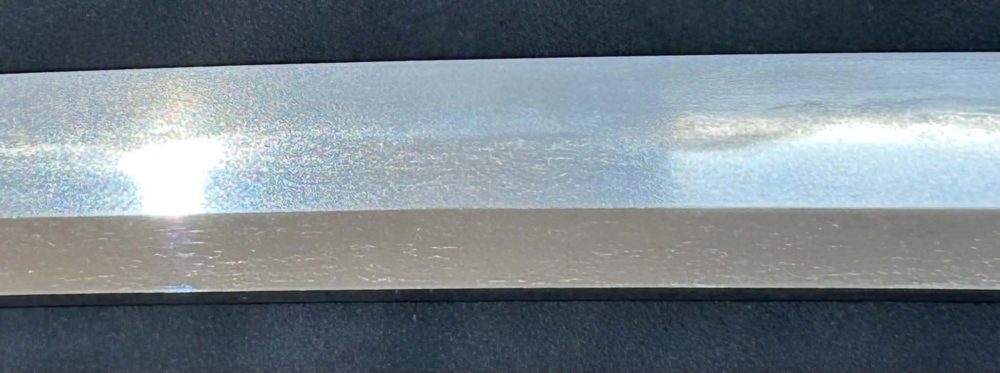
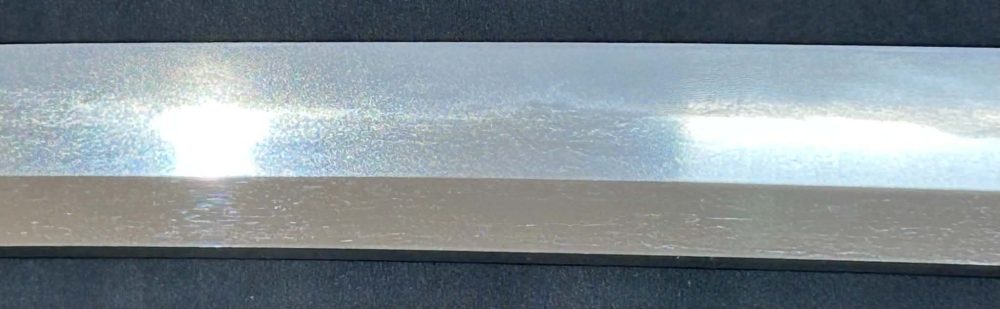
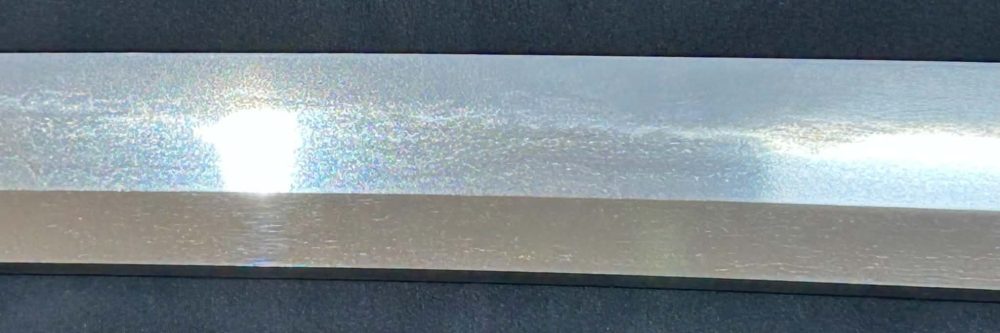
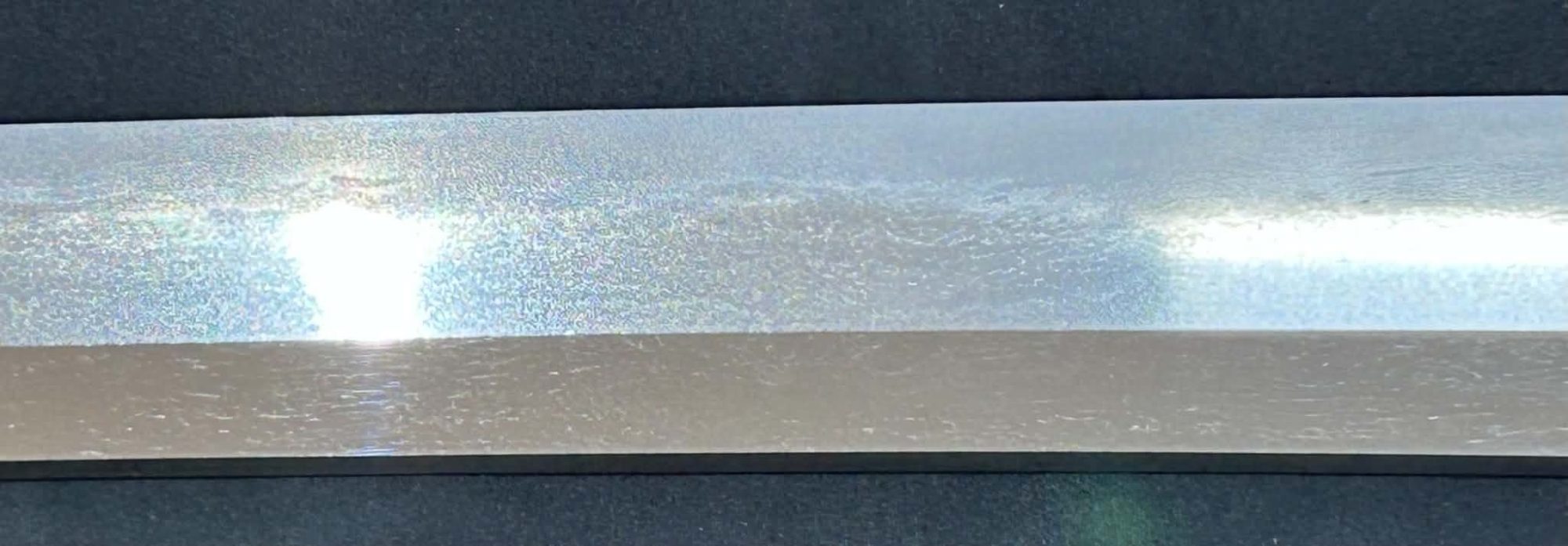
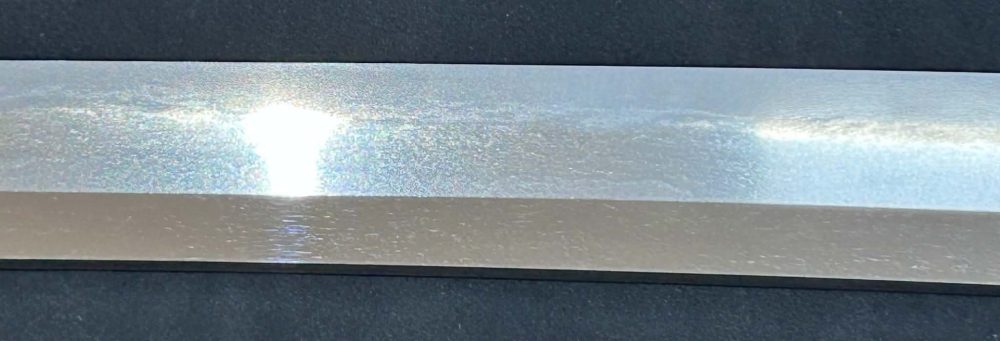
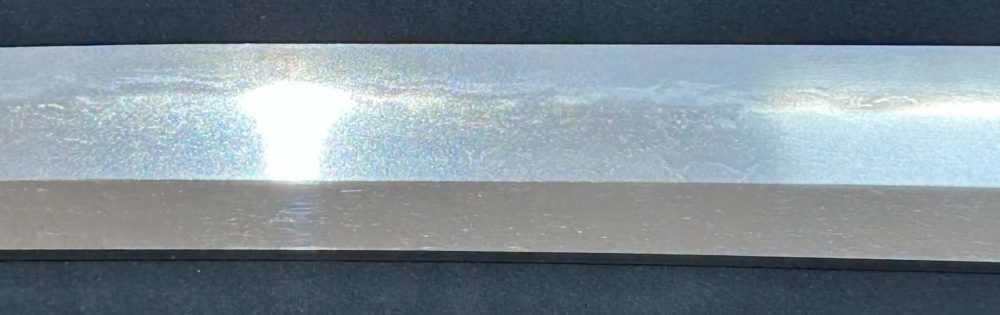
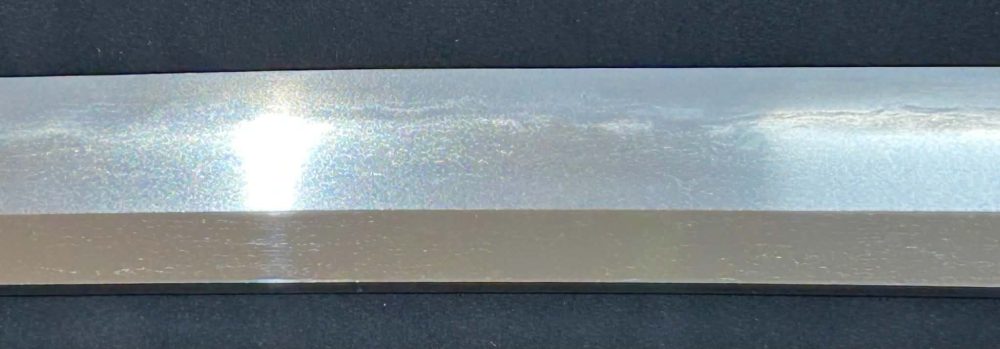
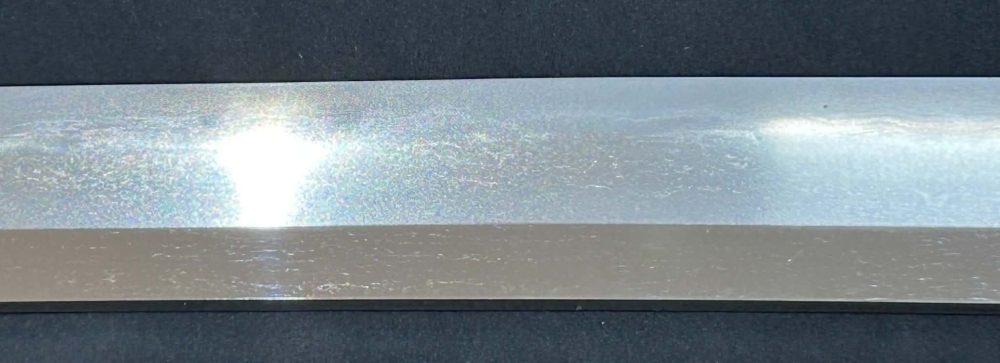
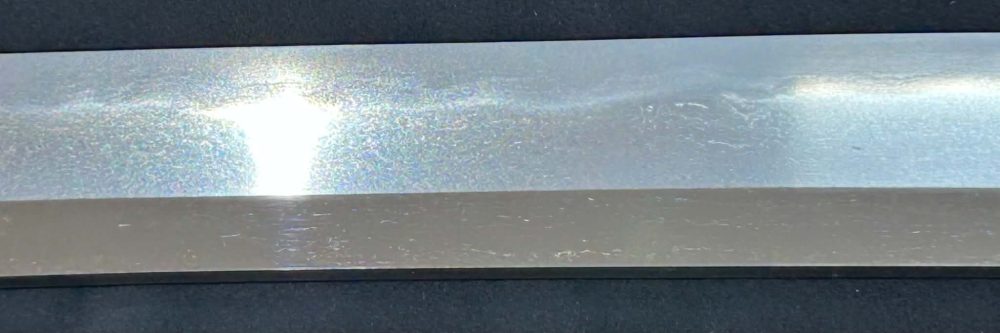
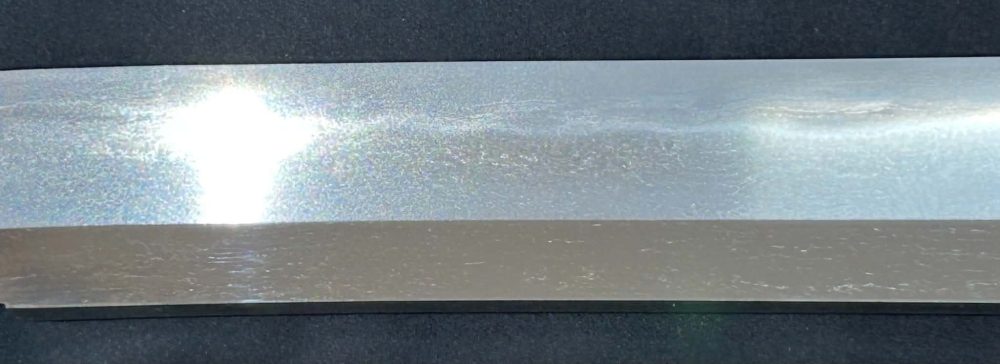
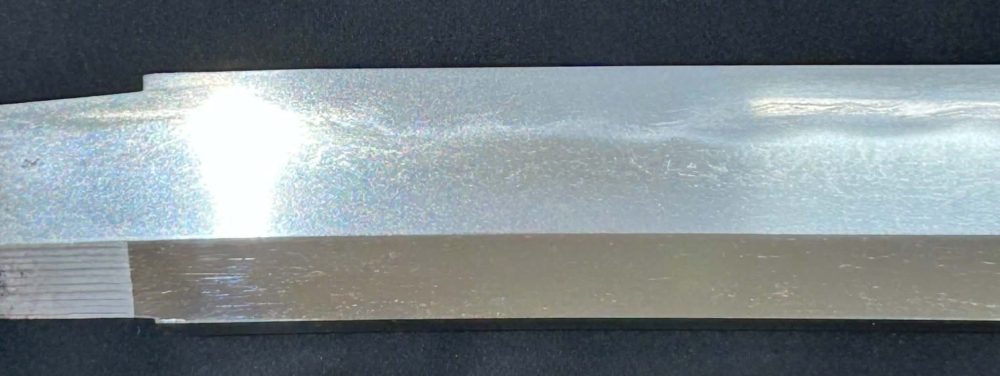
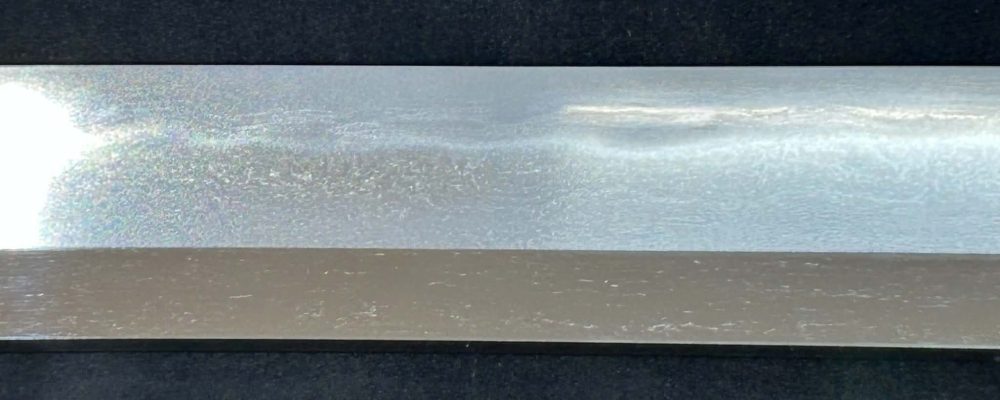
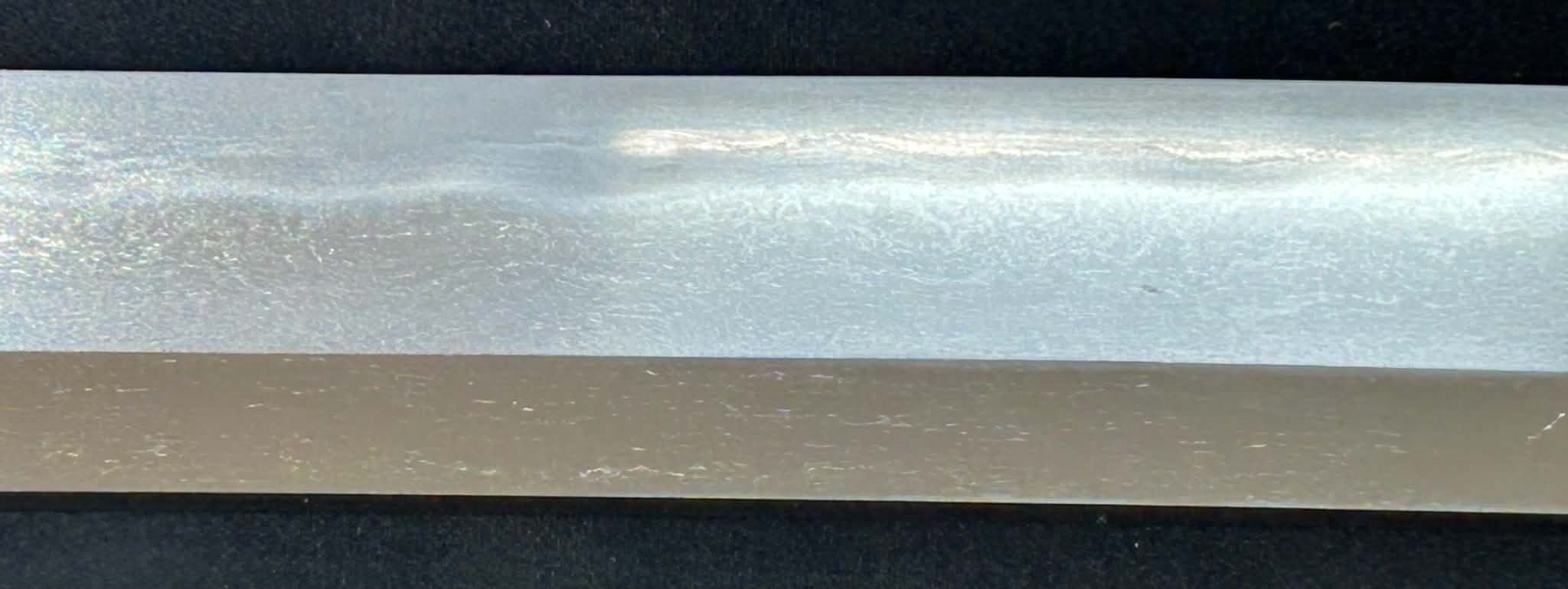
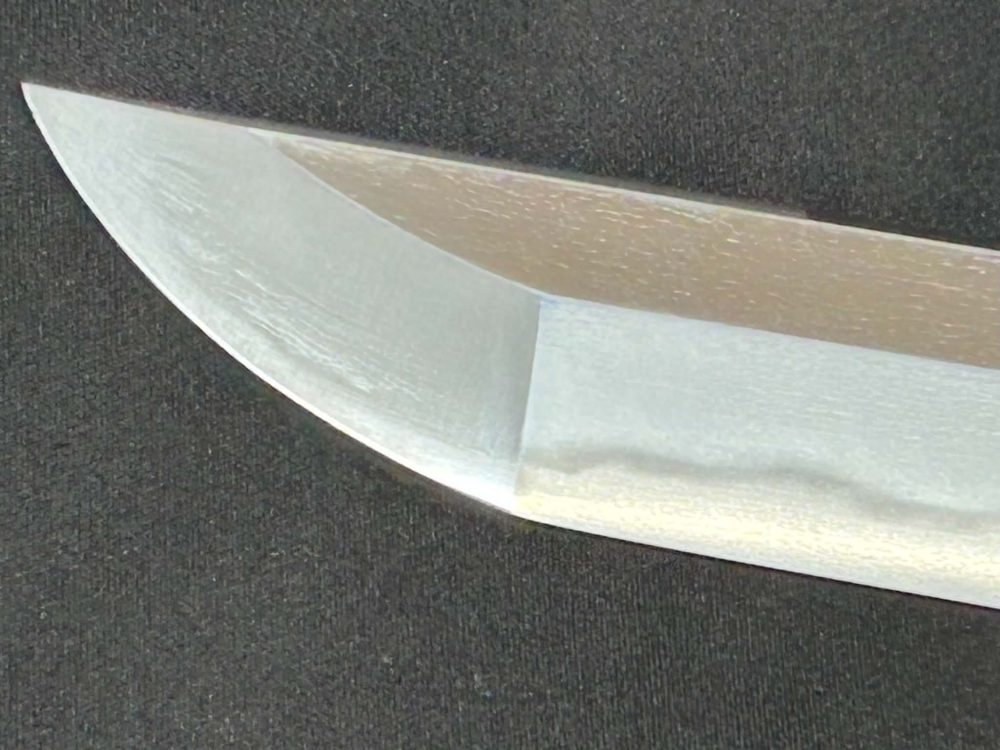
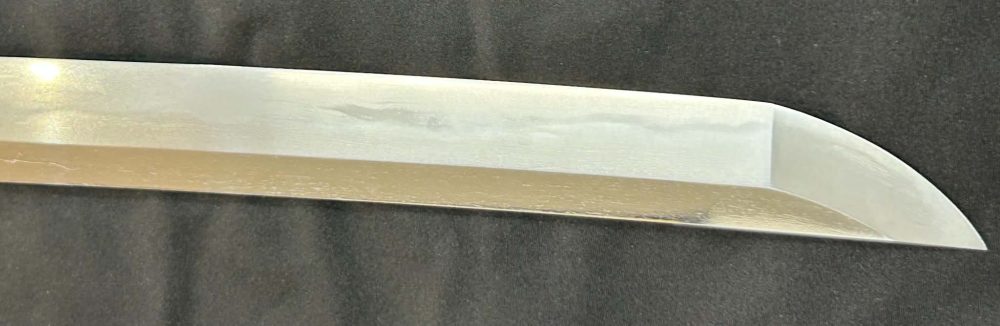
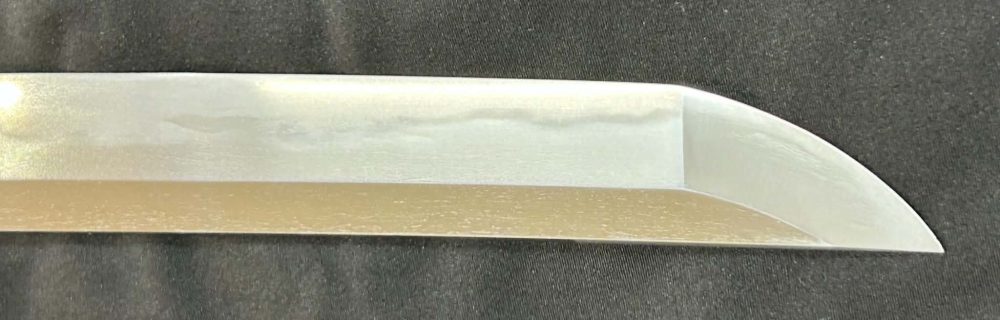
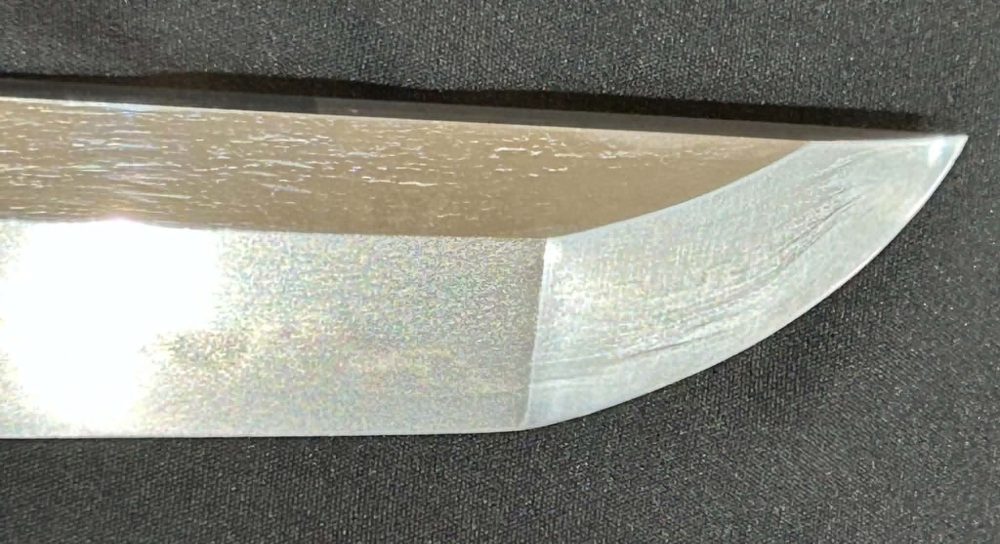
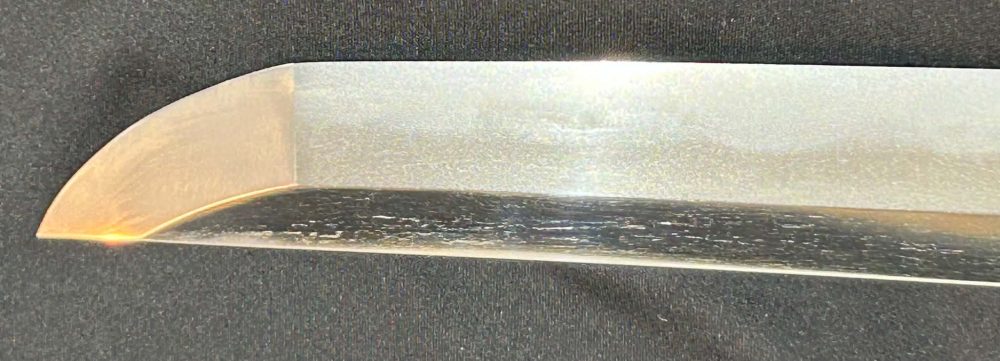
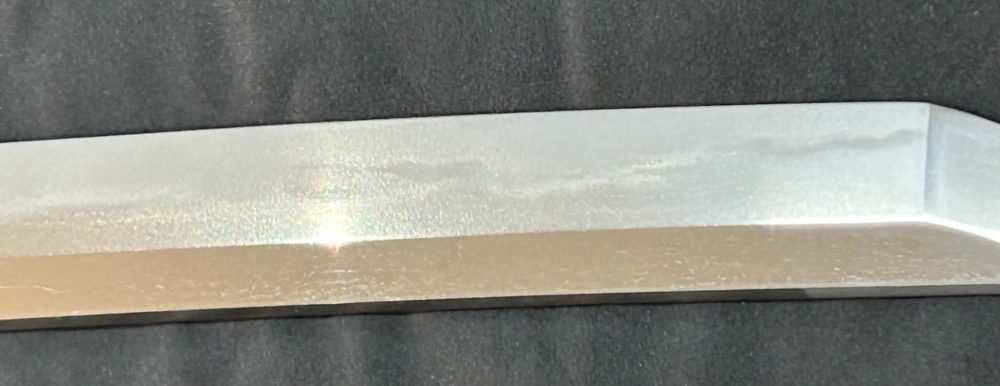
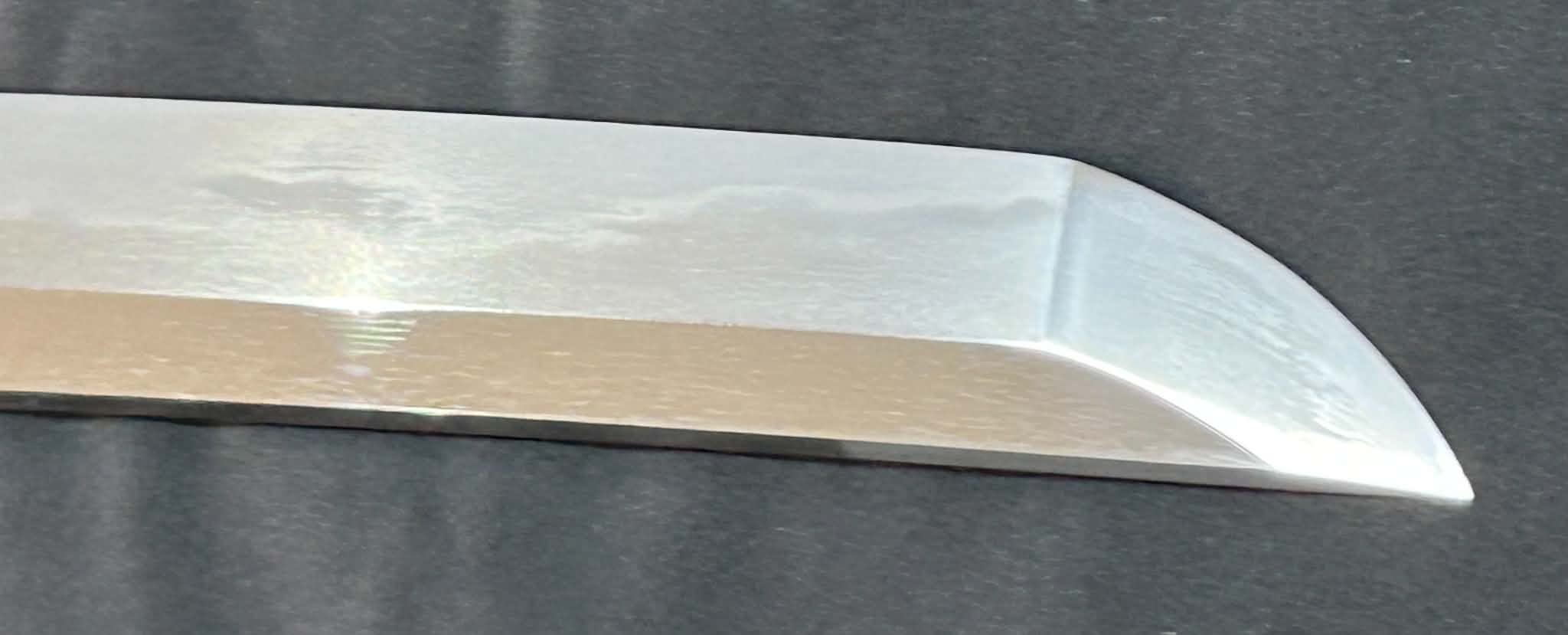
This sword, judged from the form of its signature to be a work of the second-generation Kunikiyo, is a blade of powerful presence. Wide in the body, with a high iori-mune (ridged spine) and pronounced shinogi (ridge line), it is forged with moderate curvature into a chū-kissaki (medium point), conveying a weighty, resolute bearing in the hand. The jitetsu (surface steel) displays a dense grain of itame (wood-grain pattern) mixed with mokume (burl pattern), with strong masame (straight grain) flowing toward the cutting edge; ji-nie (surface crystalline activity) lies thick across the blade, nie-utsuri (misty reflection of crystalline activity) rises toward the ridge, and chikei (bright lines in the surface) moves with vitality throughout — an altogether spirited surface. The hamon (temper line) of gunome (undulating pattern) interspersed with shallow notare (gentle waves) is rich in nie (crystalline particles), the nioi-guchi (edge of the temper zone) bright and clear; yubashiri (running pools of nie) flow along the boundary, and within the tempered zone — where thick ashi (feet of the hamon) enter — kinsuji (bright lines) and sunagashi (brushed-sand effects) are layered in multiple strata, leaving the blade edge softly diffuse, evoking the work of Sōshū Masamune or Etchū Norishige. The bōshi (temper in the point area) carries kinsuji and sunagashi, sweeping strongly and returning in a shallow arc. On the well-preserved nakago (tang), the kikumon (chrysanthemum crest) and a bold, gracefully extending signature are incised with clarity. The gold-inlaid cutting test inscription Futatsu-dō Otoru — “cut through two bodies” — attests to this blade’s exceptional sharpness, while the supplementary inscription Kitae Nanbantetsutsurugi no — “forged from prized foreign iron” — demonstrates the smith’s mastery in working rare imported steel. A masterwork blade of the second-generation Kunikiyo, forged with great refinement to meet the needs of a high-ranking samurai, with a strong awareness of the great masters of the Sōshū tradition.