Enquire
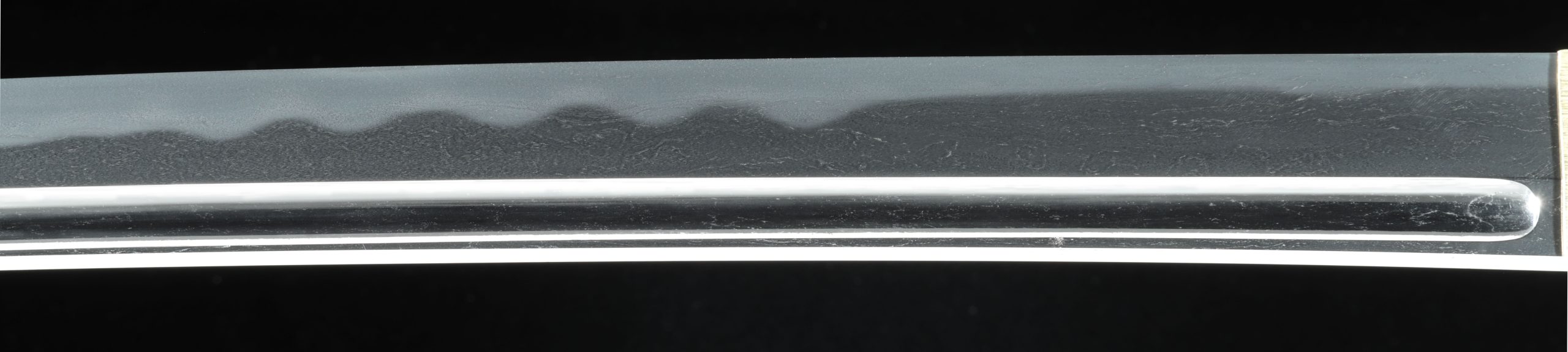
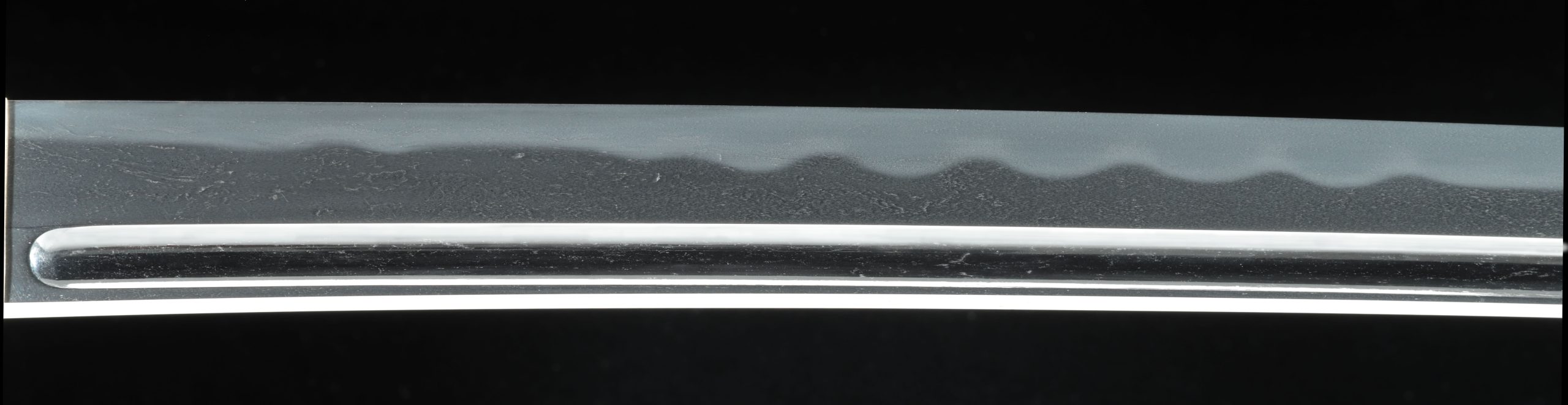
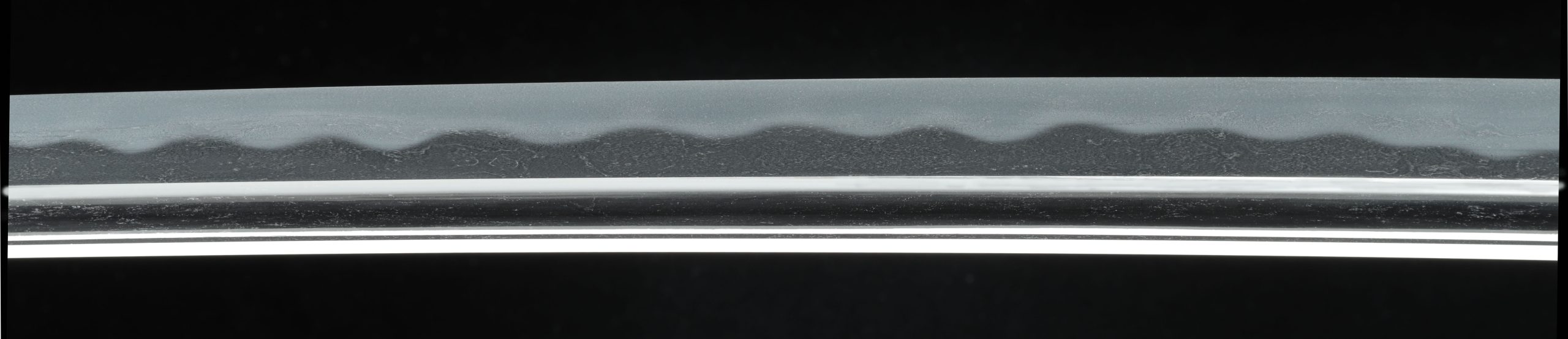
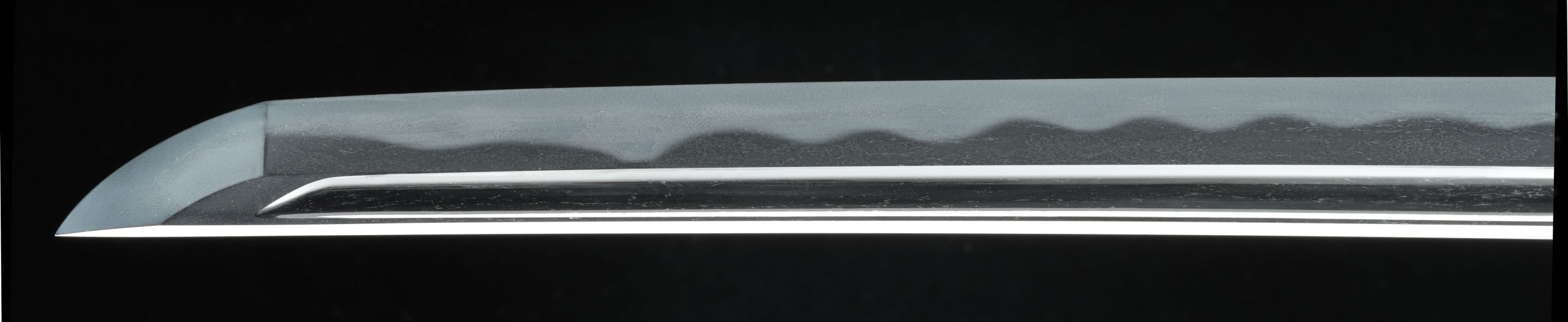
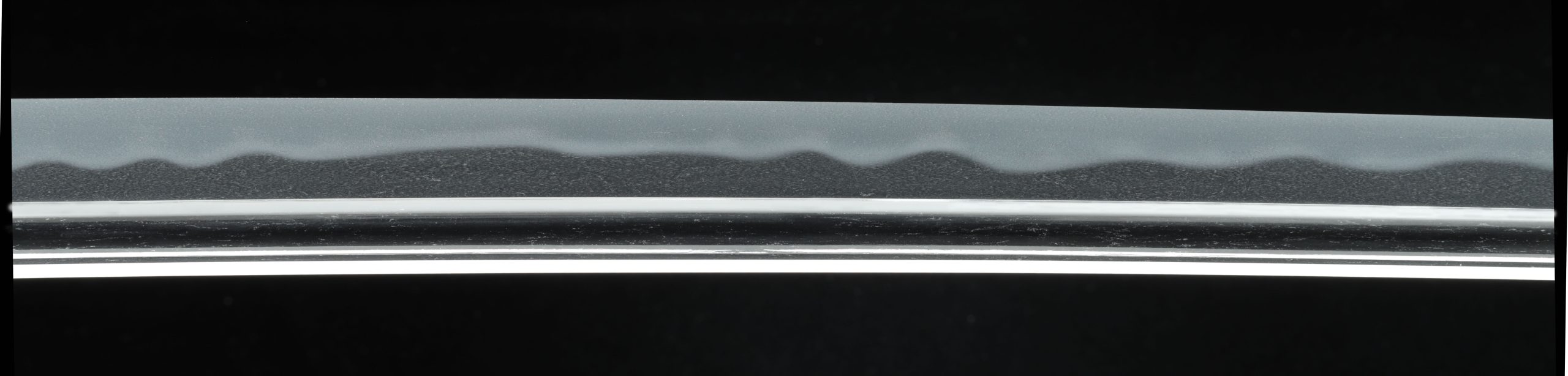
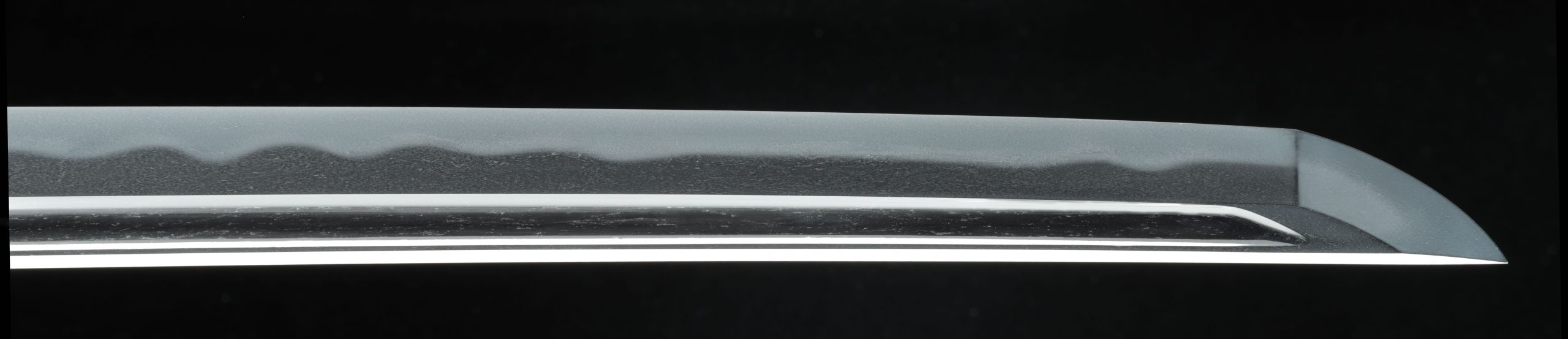
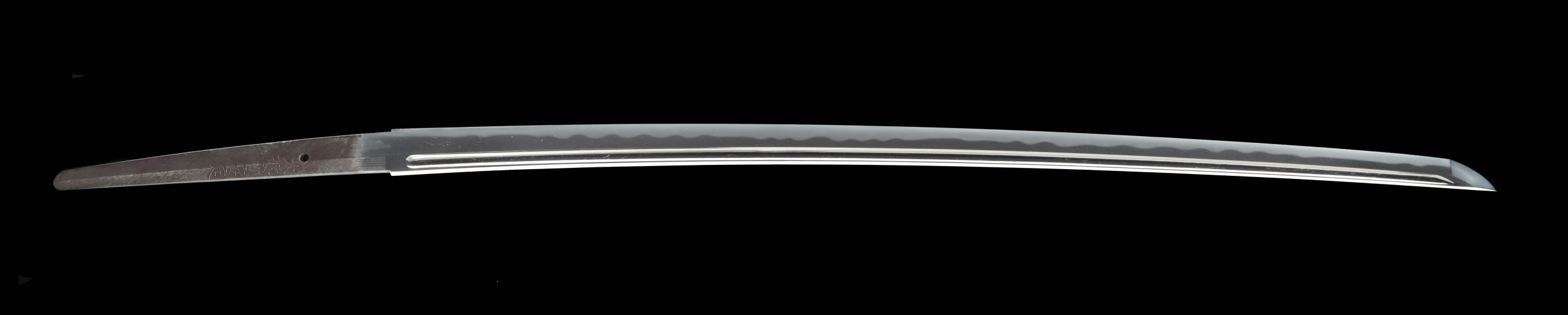
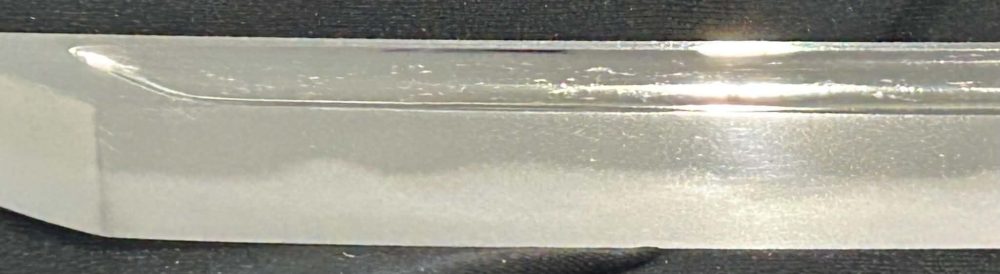
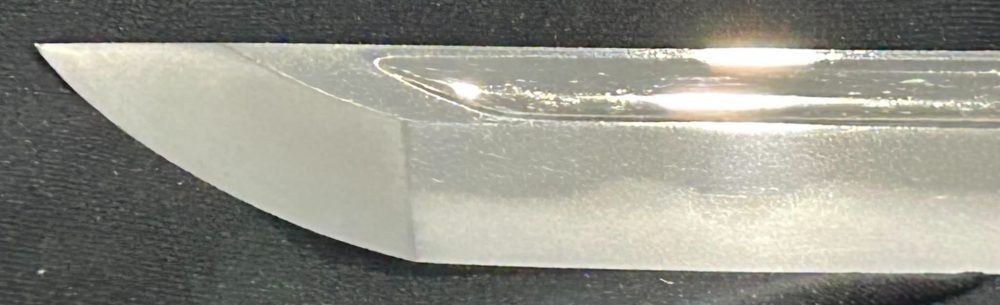
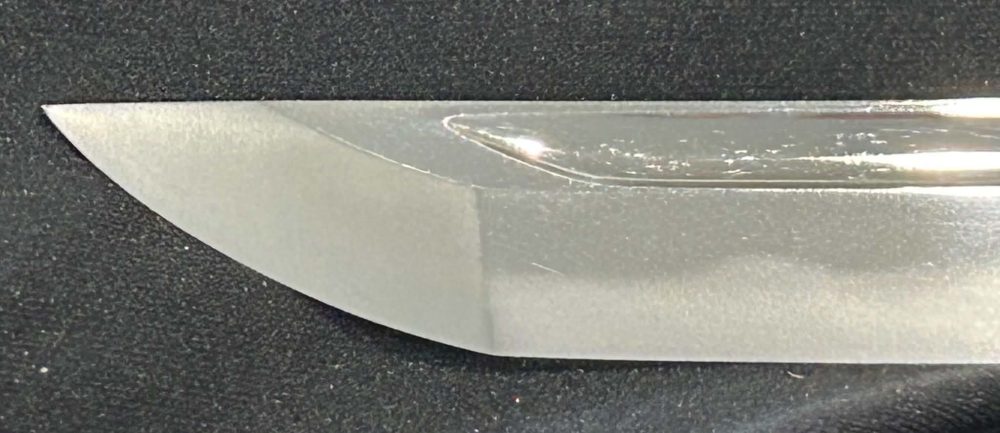
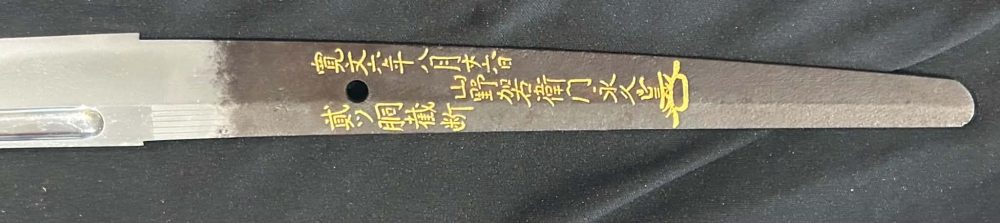
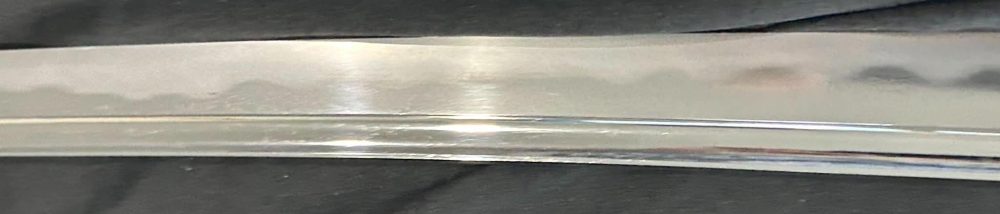
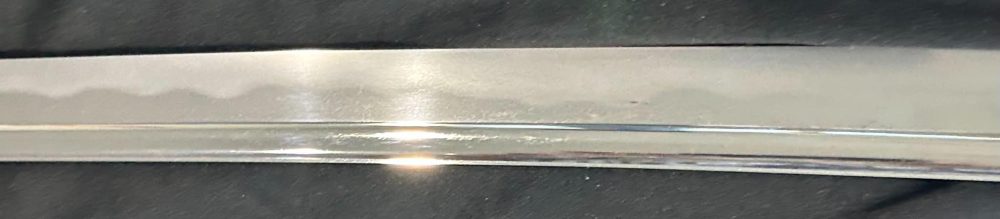
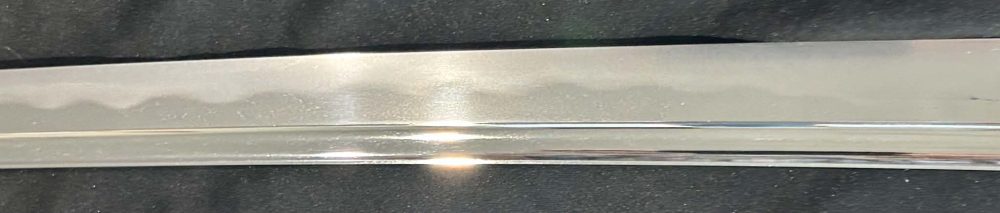
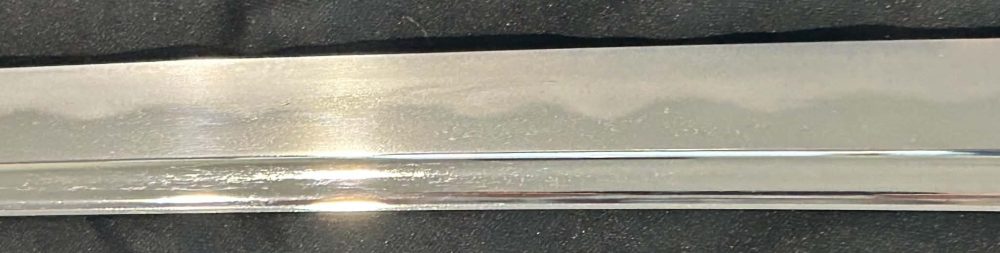
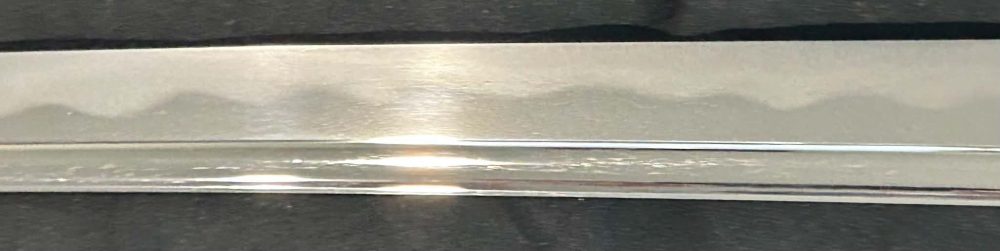
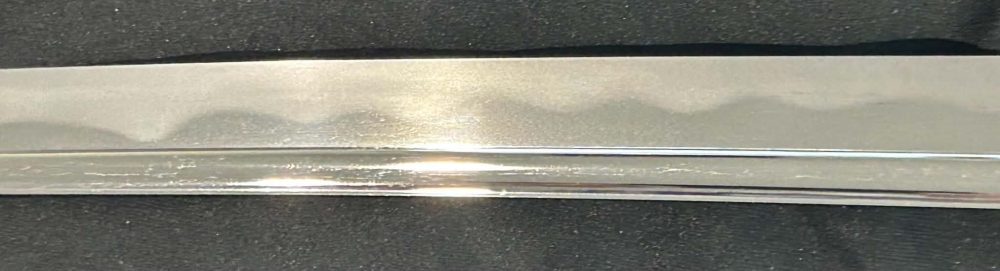
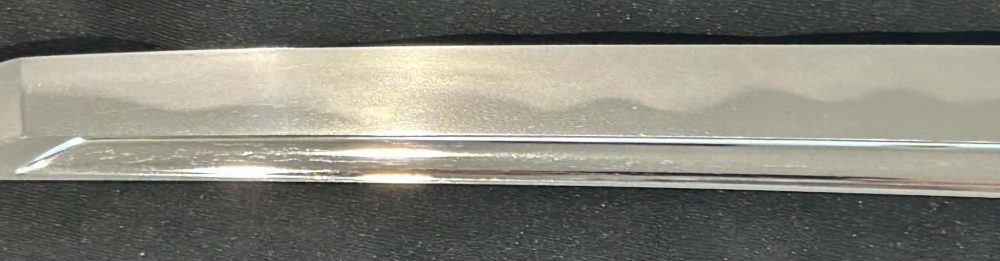
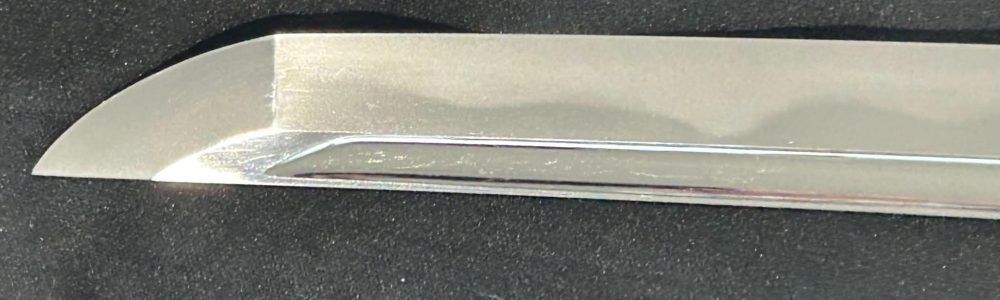
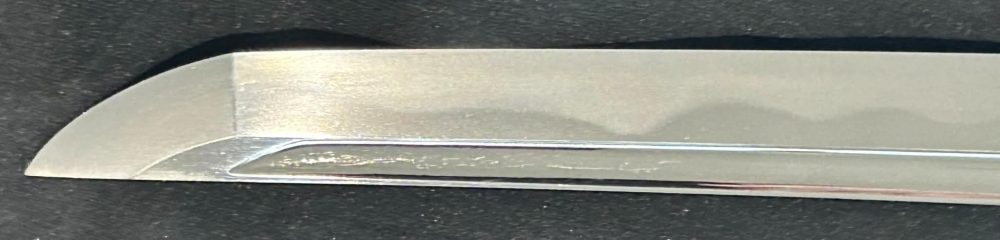
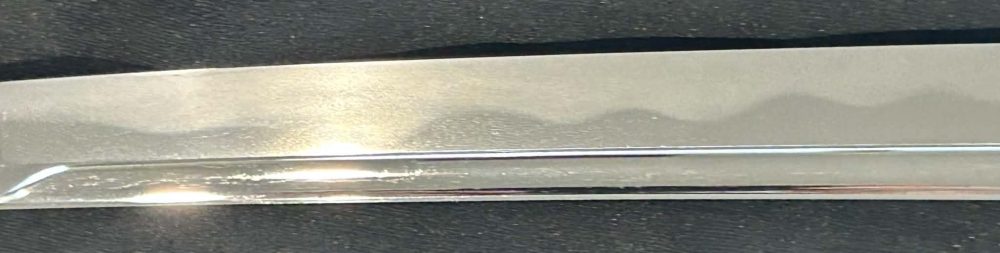
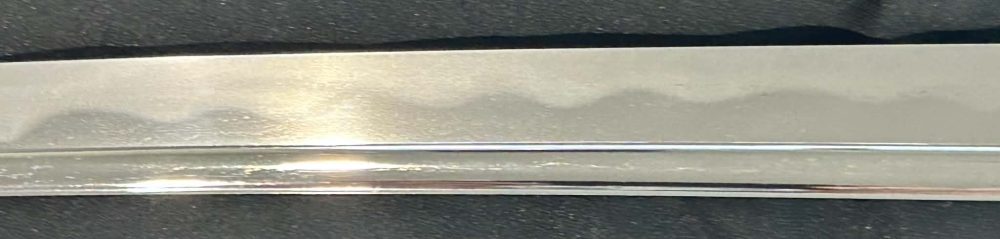
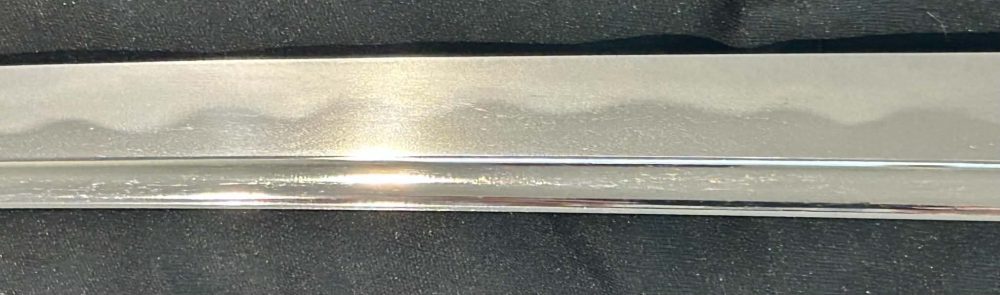
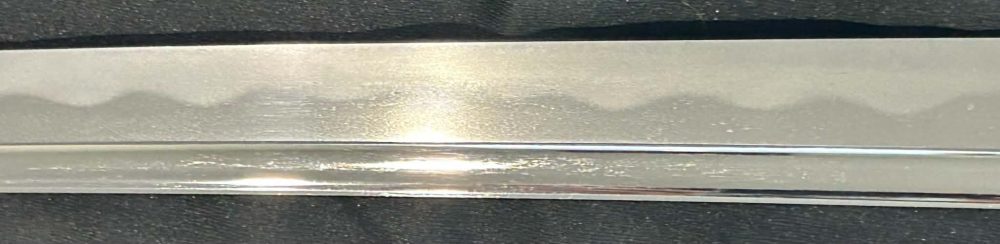
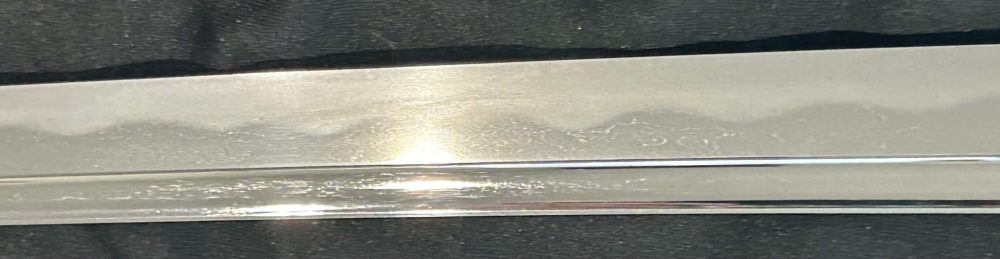
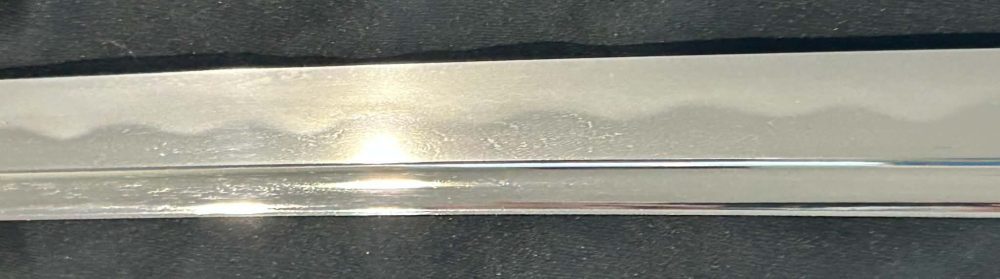
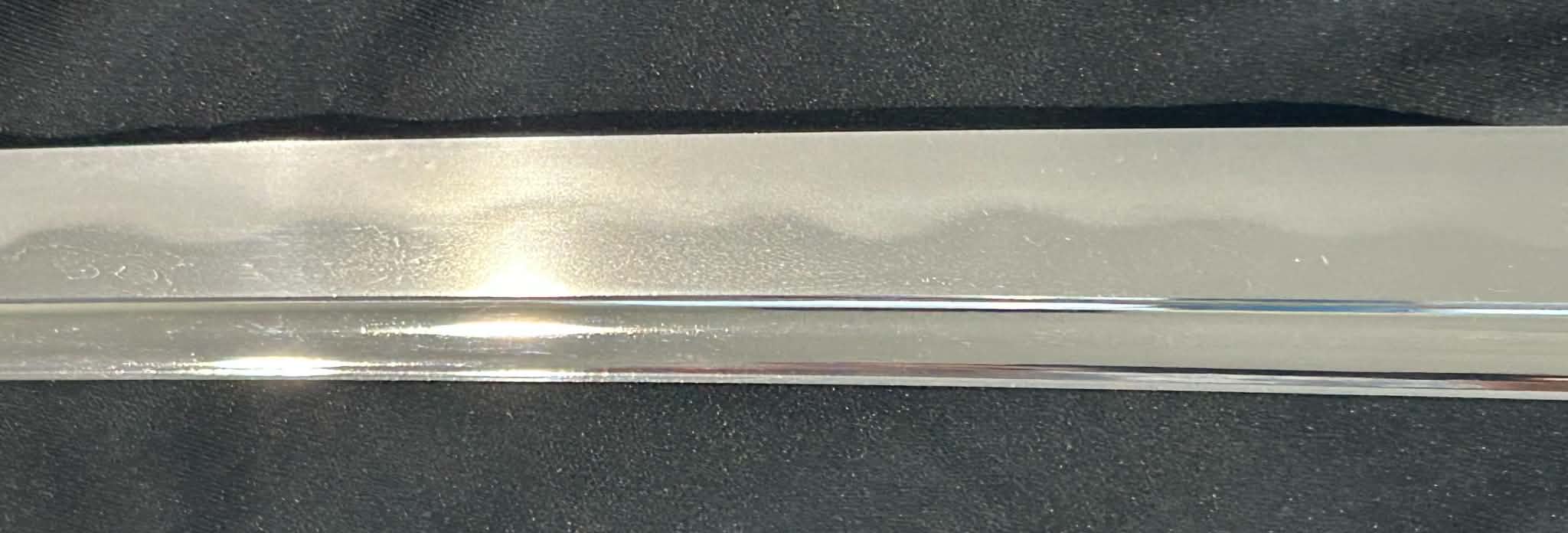
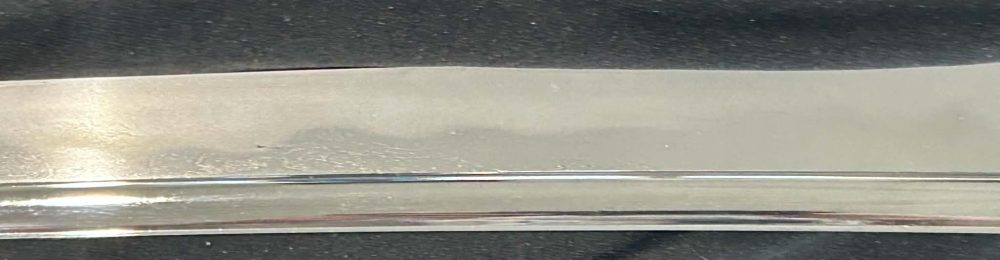
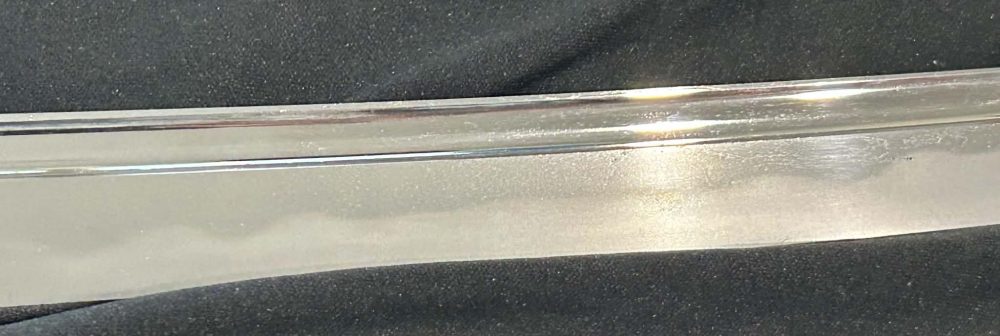
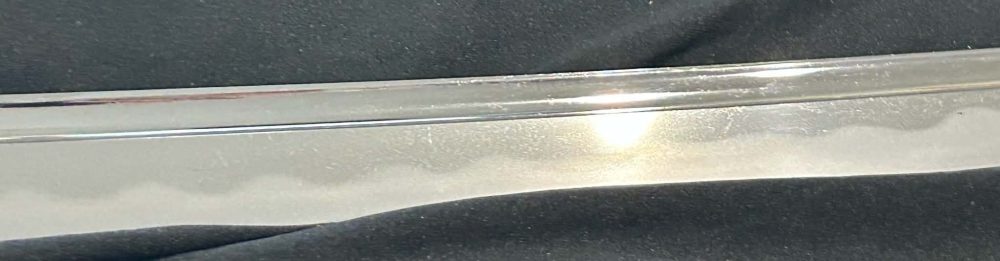
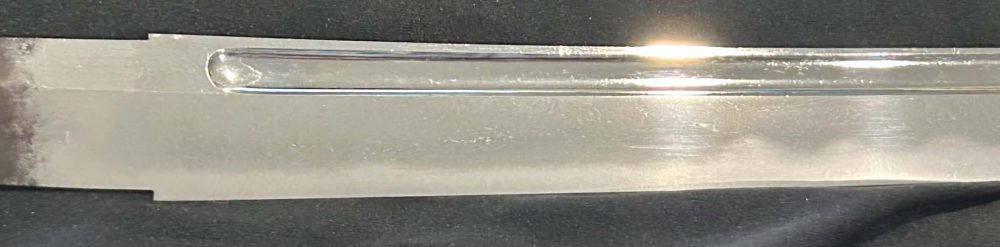
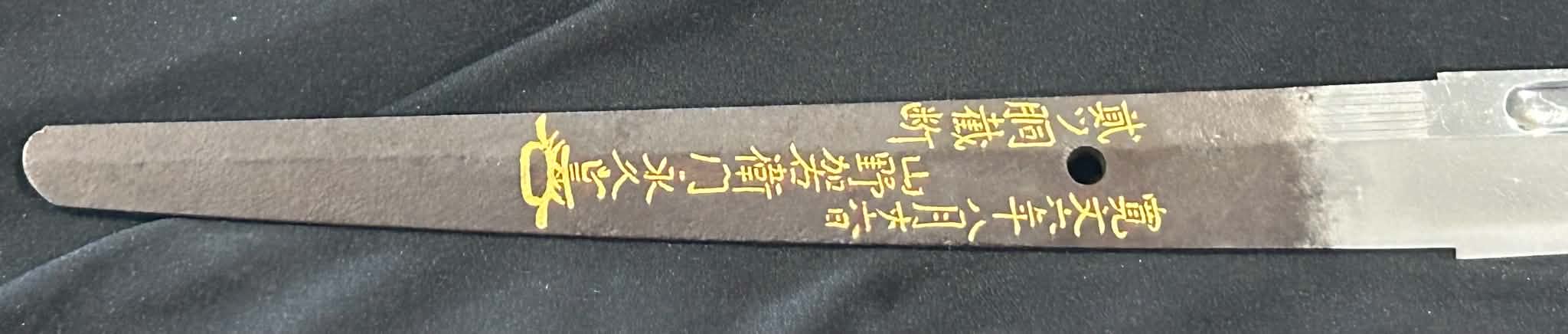
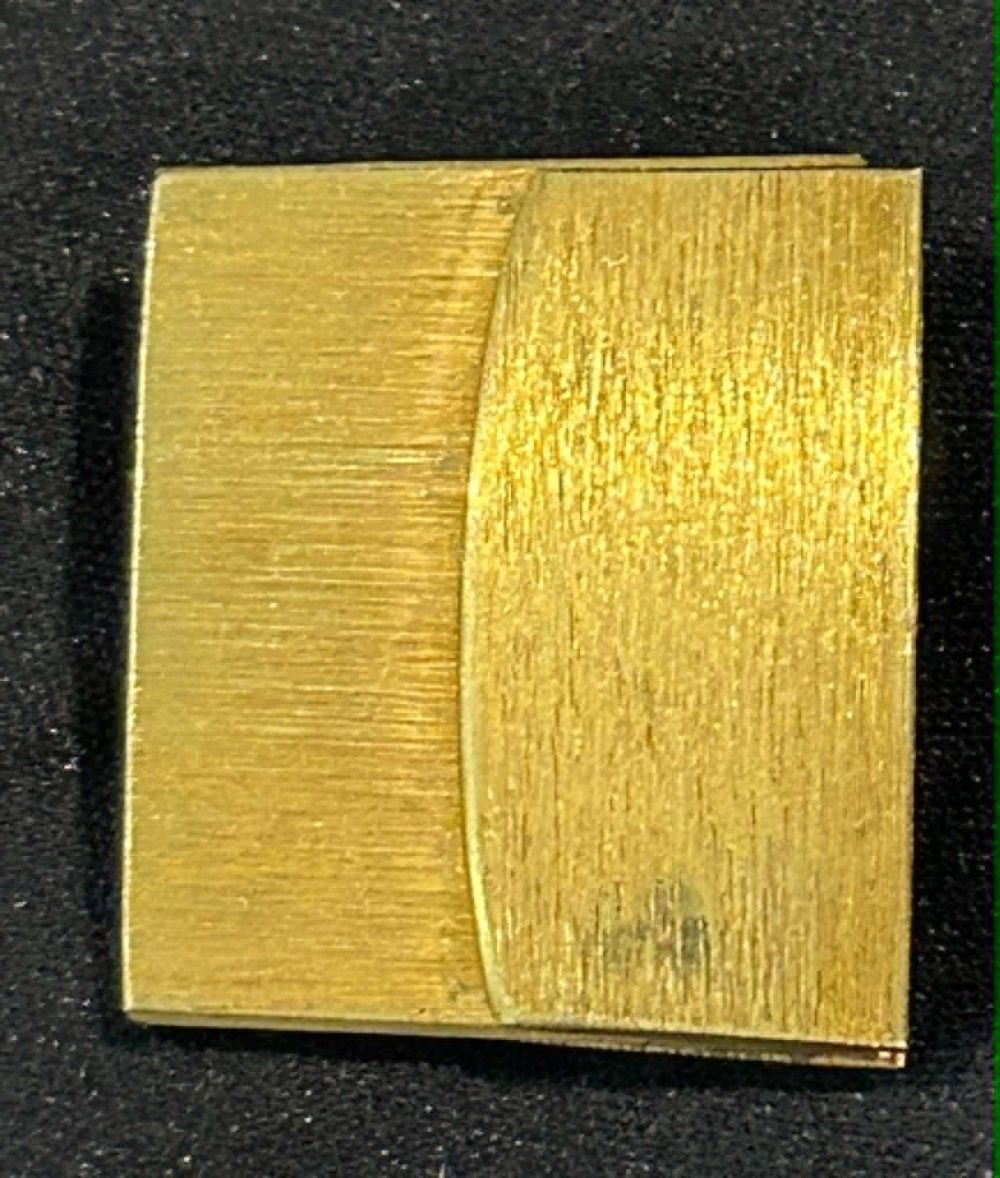
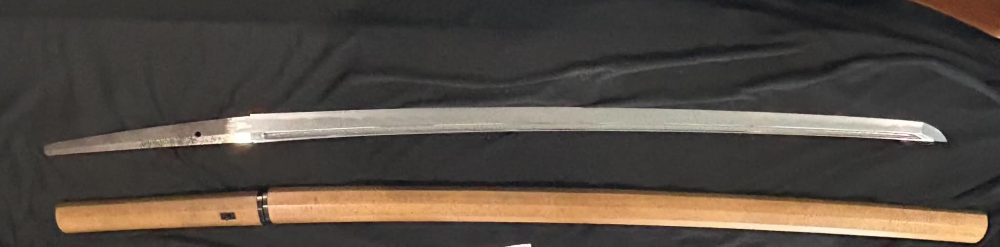
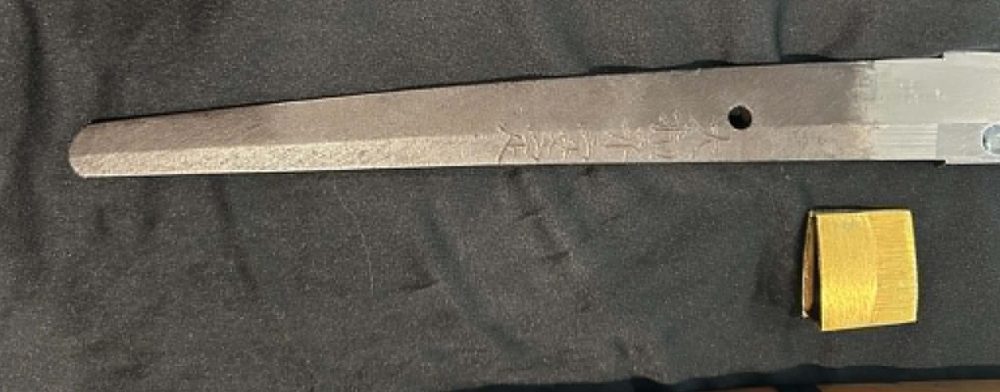
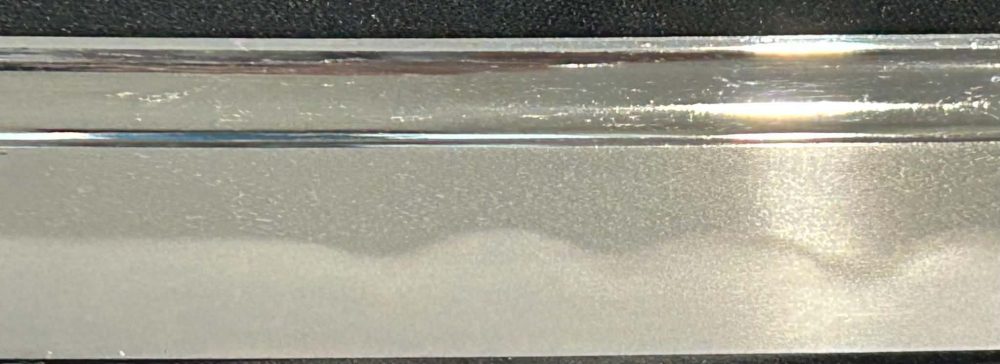
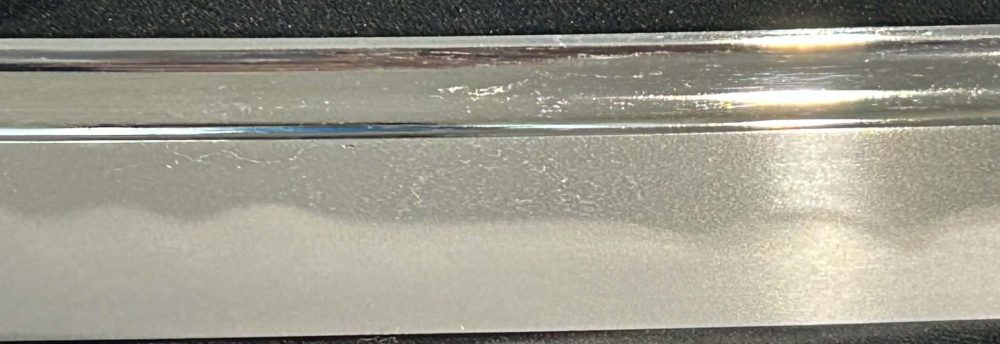
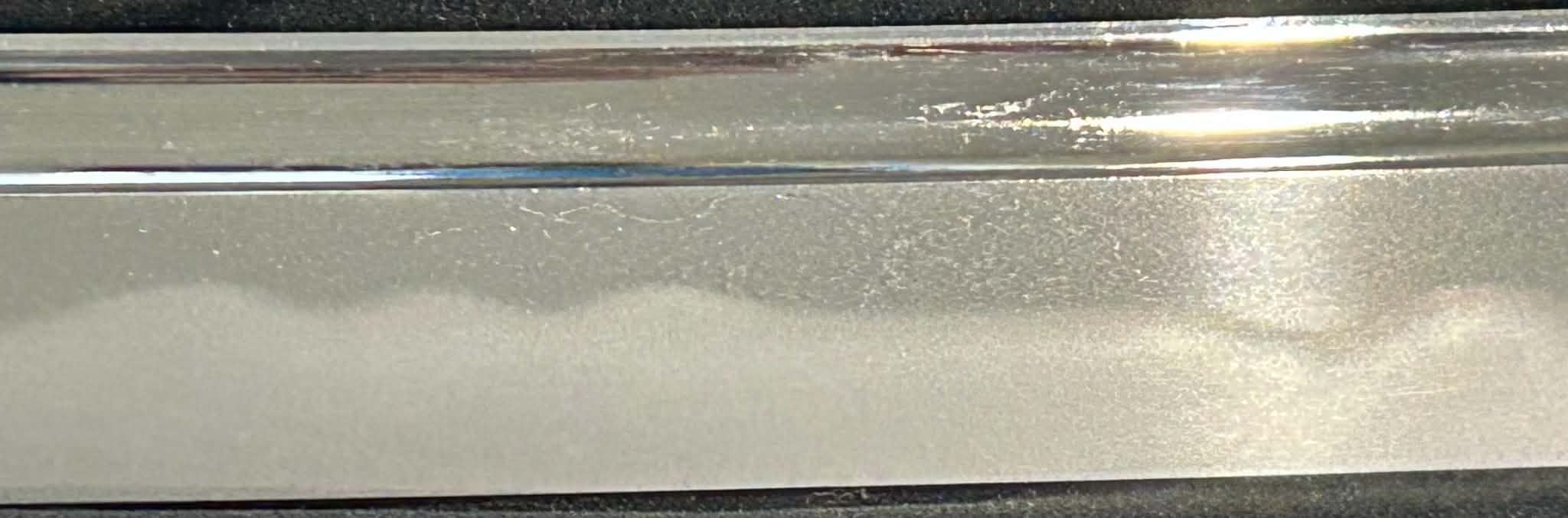
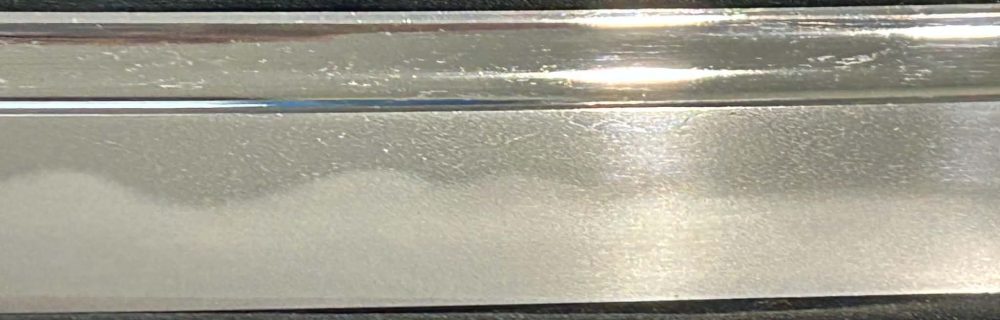
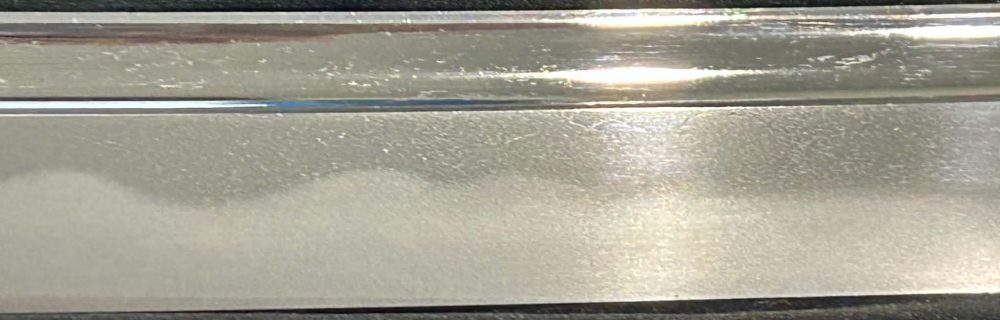
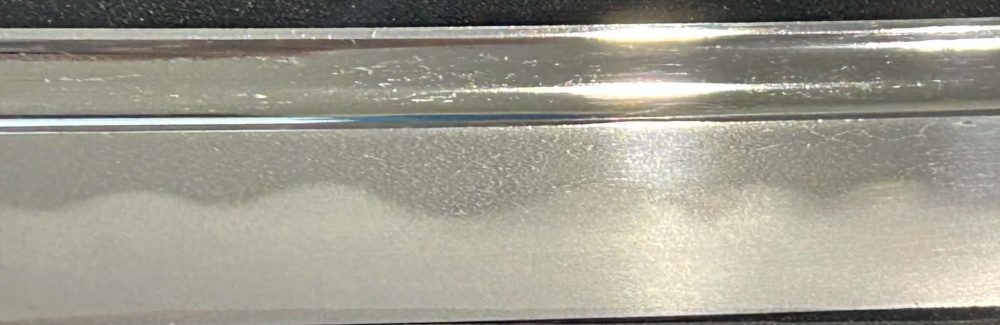
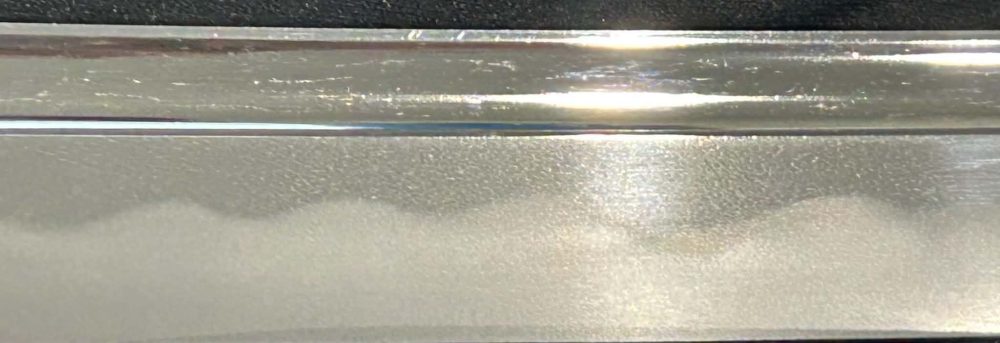
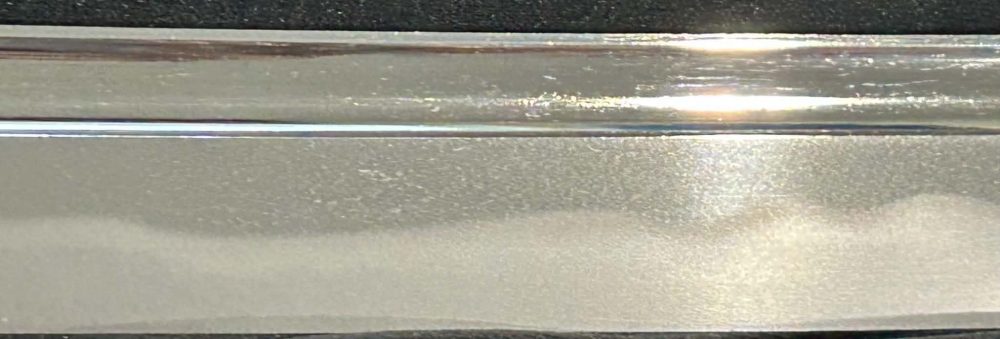
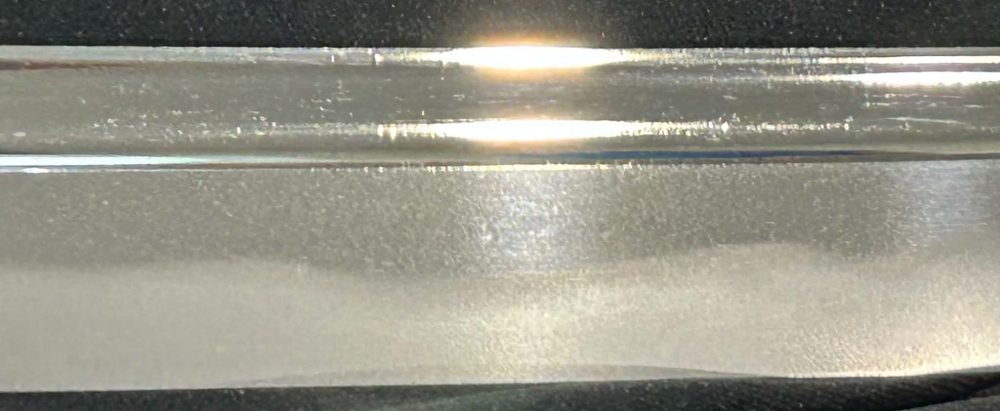
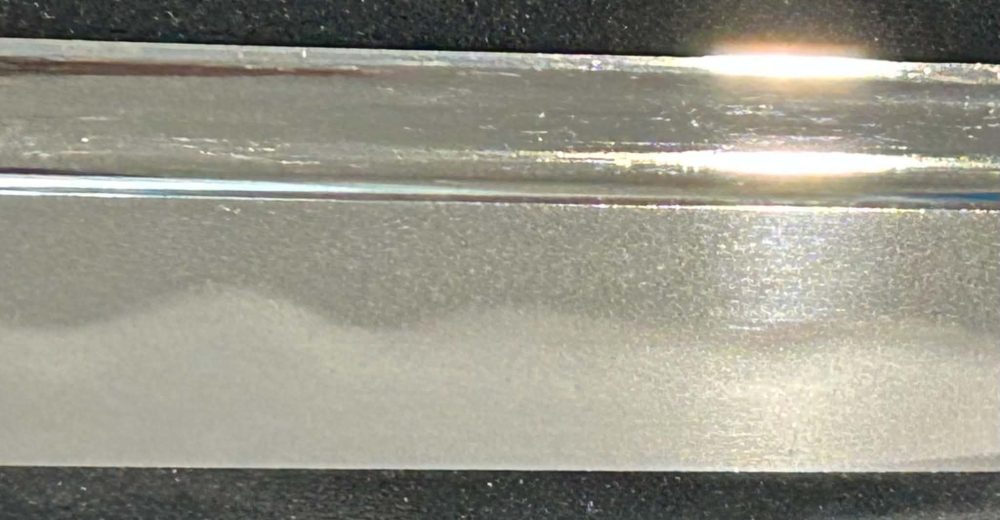
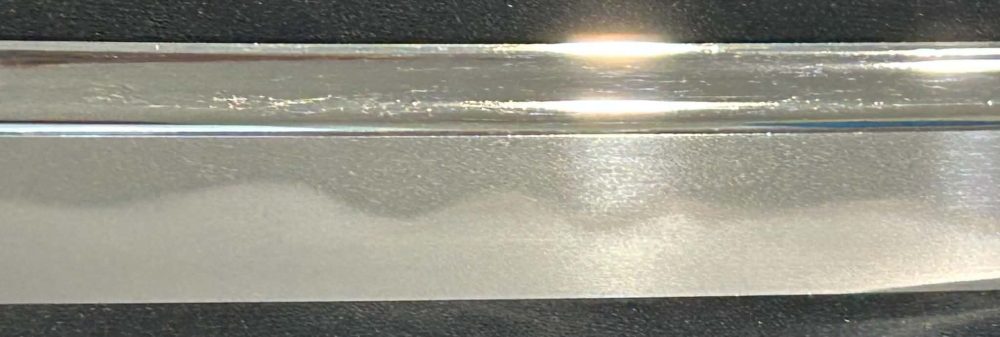
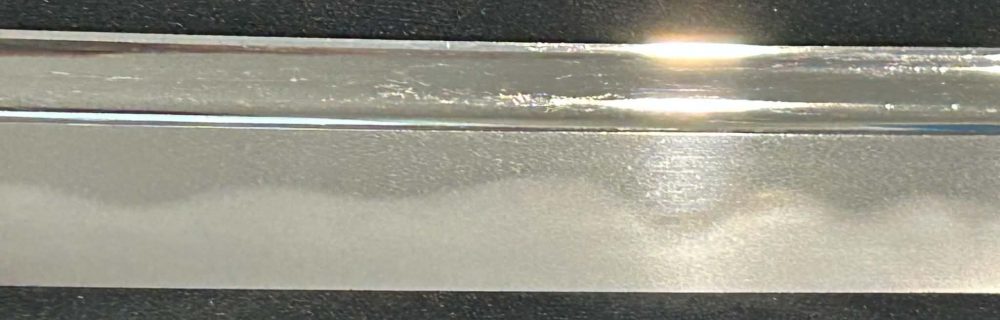
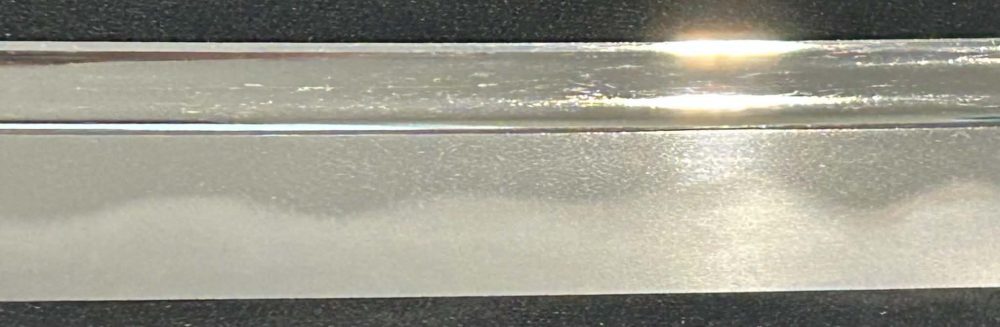
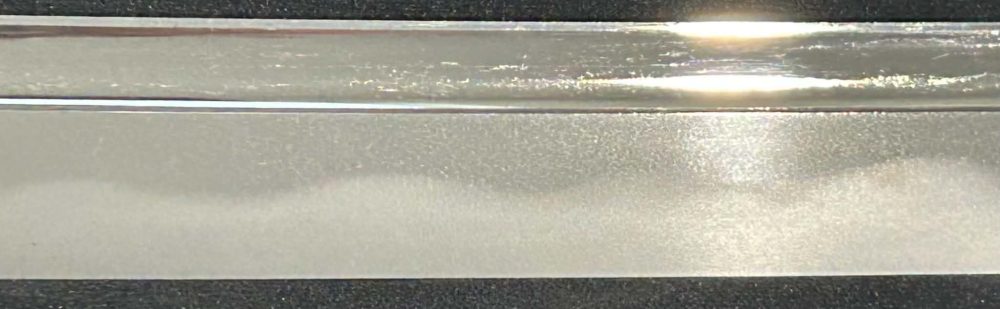
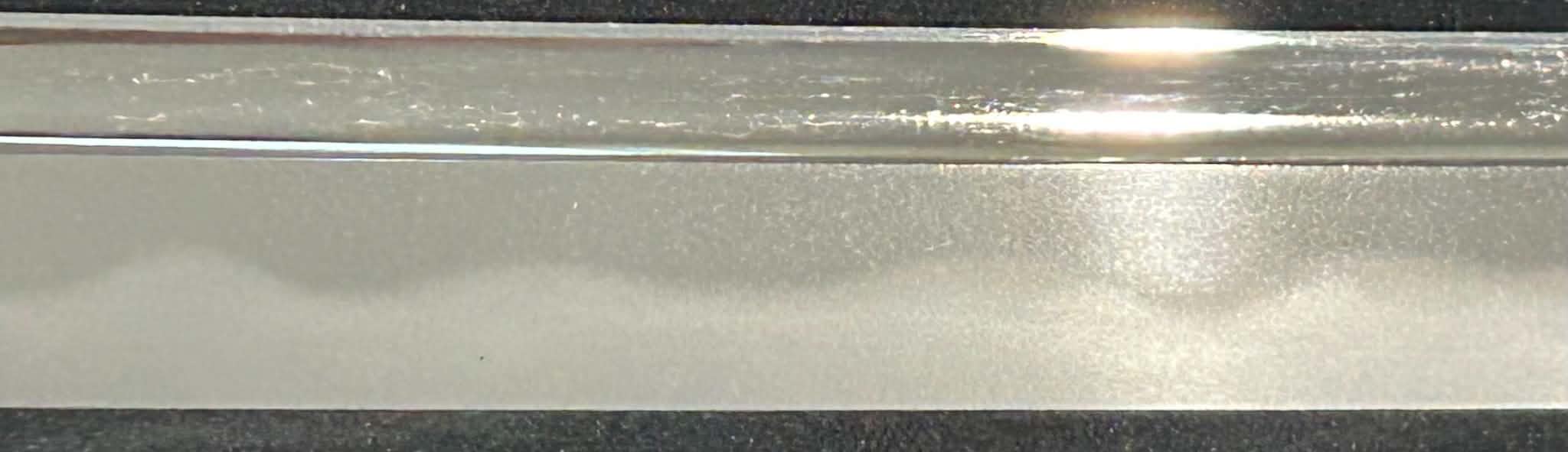
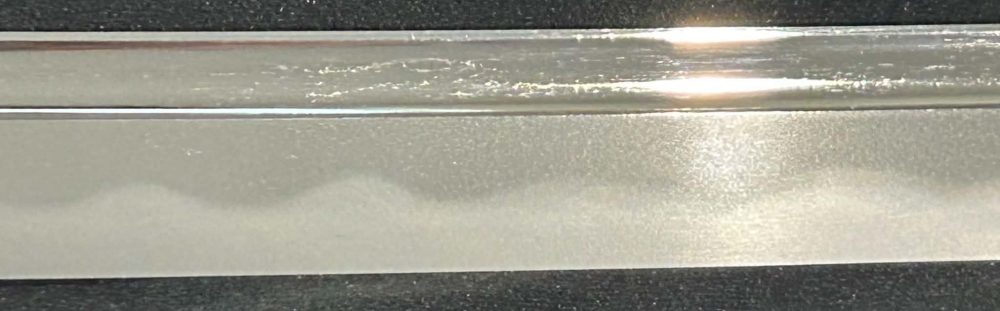
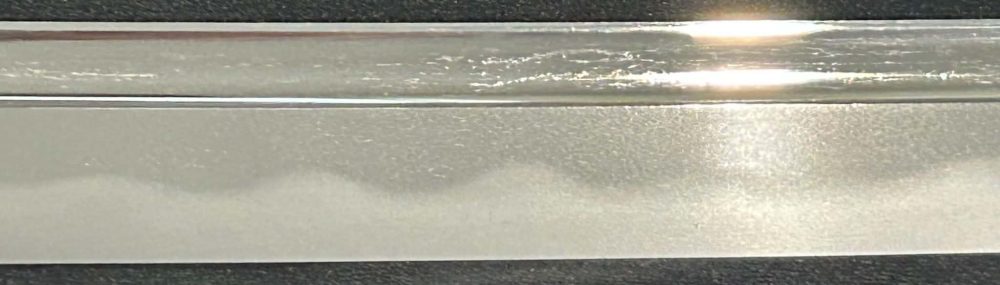
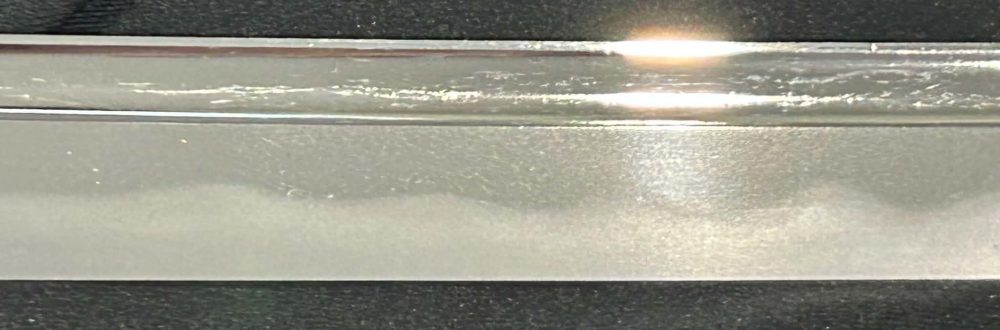
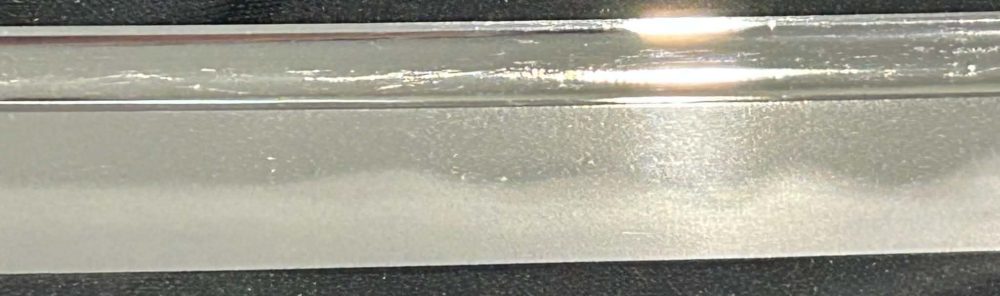
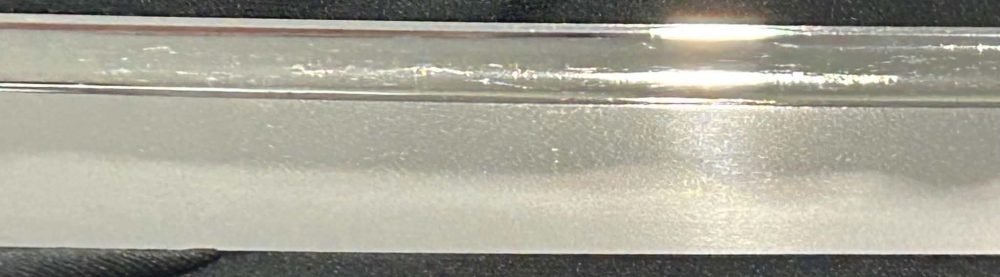
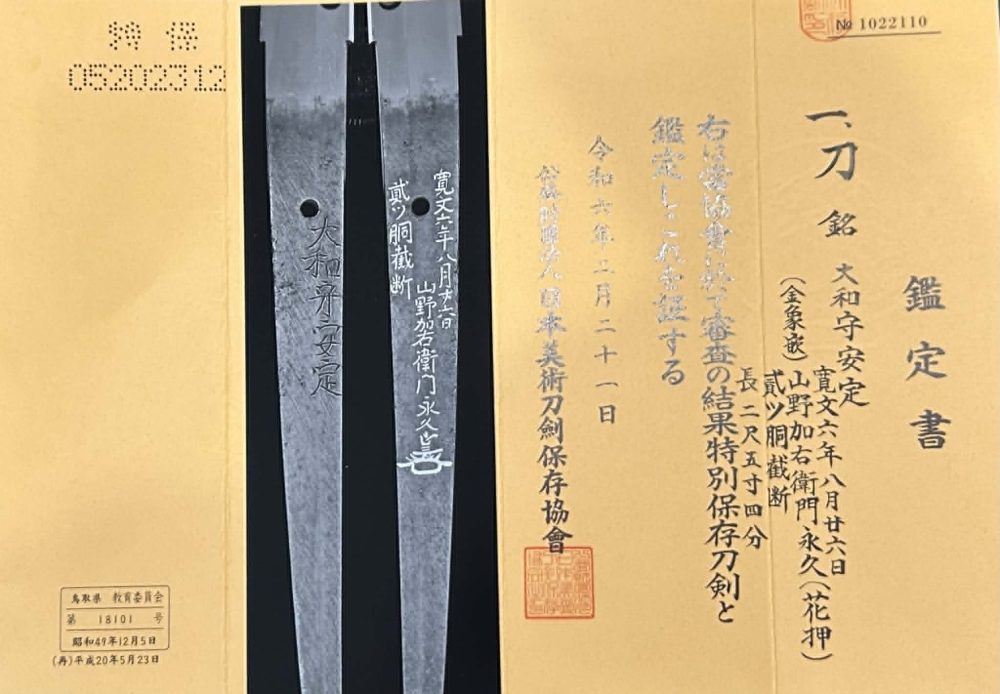
An Excellent exceptionally rare very long powerful Masterwork Katana by Yasusada with gold 2 body cutting test by Nagahisa. Mounted in Shirasaya with Tokubetsu Hozon Certificate
77cm Nagasa
Kanbun 6 year August 26
2 bodies cut by Yamano Karon Nagahisa (Kao)
YASUSADA (安定), Kanbun (寛文, 1661-1673), Musashi – “Yamato no Daijō Yasusada” (大和大掾安定), “Yamato
no Kami Yasusada” (大和守安定), “Musashi no Kuni-jū Yamato no Kami Yasusada” (武蔵国住大和守安定), “Tonda
Yamato no Kami Yasusada” (冨田大和守安定), “Yamato no Kami Minamoto Yasusada” (大和守源安定), real name
Tonda Sōbei (冨田宗兵衛), the family name Tonda is also listed with the characters (飛田), he studied in Echizen under
the 2nd gen. Yasutsugu (康継), in Edo he settled in the Shirogane district (白銀町) of Kanda (神田), it is said that he
belonged originally to the Kishū-Ishidō school, this approach appears first in the Shintō Bengi (新刀弁疑) and is
supported by joint works with Kishū-Ishidō smiths like Yasuhiro (安広), there exists a wakizashi with the signature
“Kishū Wakayama-jū Yasuhiro tsukuru” (紀州和歌山住安広造) on the omote and “Yamato no Daijō Yasusada saku” on
the ura side, besides of that, the family name Tonda (冨田) was also used by several Kishū-Ishidō smiths like Tameyasu
(為康) and Yasuhiro (康広), although with the writing (富田) which is also read as Tomita, but historians assume that
both readings and writings were used synonymously, we know date signatures from the second year of Jōō (承応, 1653)
to the 13th year of Kanbun (1673), there exist two informations regarding his age, one at the age of 50 dated Kanbun
seven (1667) and one at the age of 53 dated Kanbun ten (1670), that means his year of birth calculates as Genna four
(元和, 1618), his year of death is unknown, his blades were famous for their superior sharpness, they have a shallow sori,
a wide and tapering mihaba, and a chū-kissaki, sometimes his nagasa is noticeably longer as at contemporary smiths, the
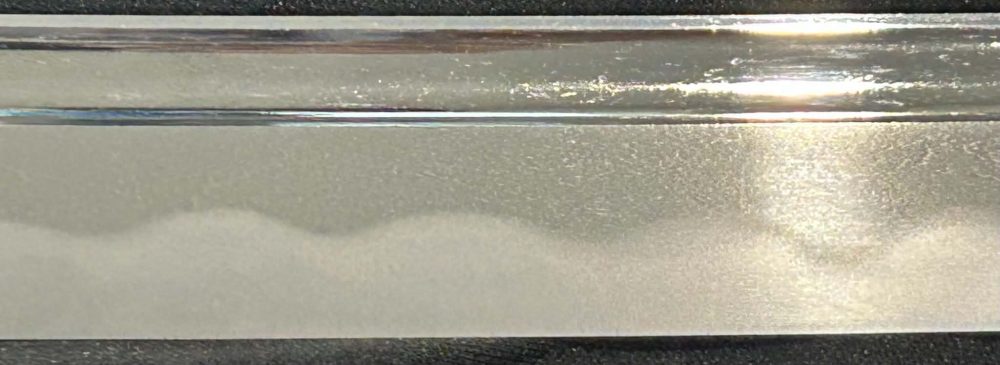
jigane looks hard and the jihada is a rough itame with ji-nie and masame along the shinogi-ji, the hamon is a notare mixed with
gunome in nie-deki with a wide nioiguchi, we also find yahazu elements, an ō-gunome-midare with chōji-ashi between the midare
elements and sunagashi, the bōshi is sugu with a ko-maru-kaeri or shows some notare-komi and/or hakikake, the yasurime are ō
sujikai and the tip of the tang is a ha-agari kurijiri, from the point of view of workmanship we can see some similarities to
Kotetsu (虎徹), Kaneshige (兼重), and Masahiro (正弘), many blades bear the results of cutting tests, mostly performed
by Yamano Ka´emon no Jō Nagahisa (山野加右衛門尉永久) and sometimes also by his son Yamano Kajūrō Hisahide
(山野勘十郎久英), ryō-wazamono, jō-saku
Yamano Ka’emon-no-jō Nagahisa (山野加右衛門尉永久) was the most famous professional sword tester (otameshi-goyō) in 17th-century Japan. Active during the mid-Edo period), he was a pioneer in the art of tameshigiri (test cutting) and the first to establish the practice of inlaying test results in gold onto a sword’s tang (kinzōgan-mei).
- The Gold Standard of Testing: Nagahisa was renowned for his precision and strength. His name on a sword tang, typically accompanied by the date and specific results (e.g., “cut through three bodies”), significantly increased the blade’s value and prestige.
- Methodology: Tests were typically performed on the bodies of executed criminals. A single stroke might cut through multiple stacked bodies, a feat recorded as mitsu-dō (three bodies) or futatsu-dō (two bodies).
- Famous Collaborations: He frequently tested blades for legendary swordsmiths like Yamato no Kami Yasusada and Kazusa no Kami Kaneshige.
- Family Legacy: He founded a lineage of expert testers; his son, Yamano Kanjūrō Hisahide, continued the profession and further solidified the family’s reputation with the Tokugawa Shogunate.
- Cost: His services were exceptionally expensive, reportedly costing up to 10 ryō—roughly equivalent to $10,000 USD today—which was often more than the cost of the sword itself.
More Pics and info to follow