More Pictures and info to Follow
Nagasa 68 cm
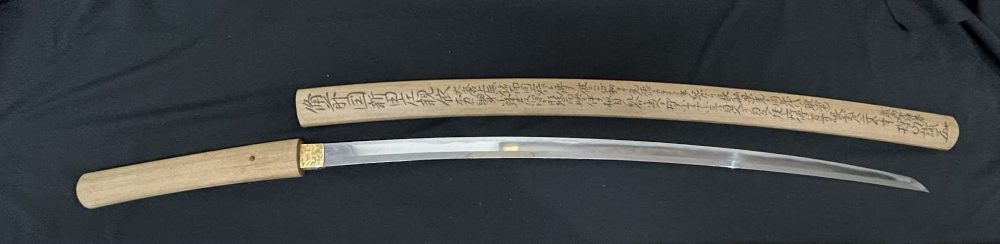
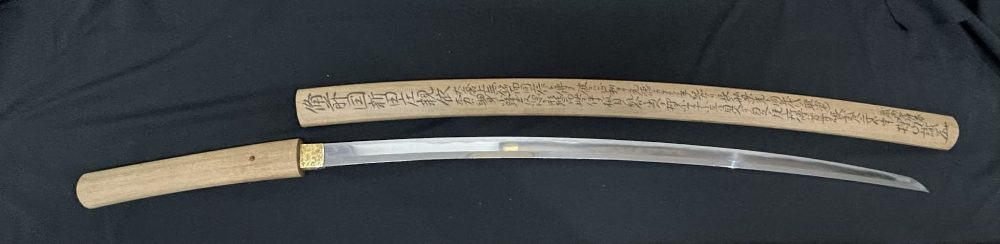
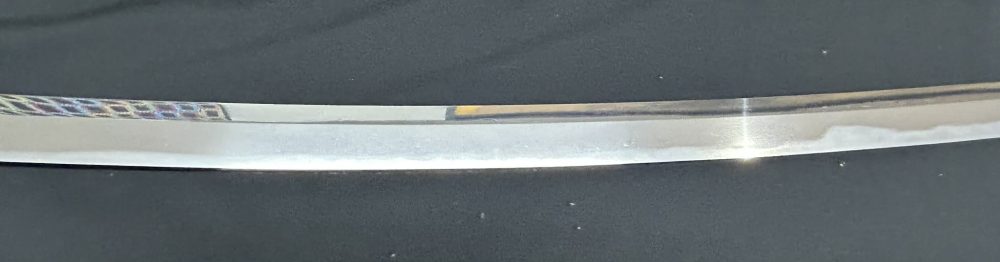
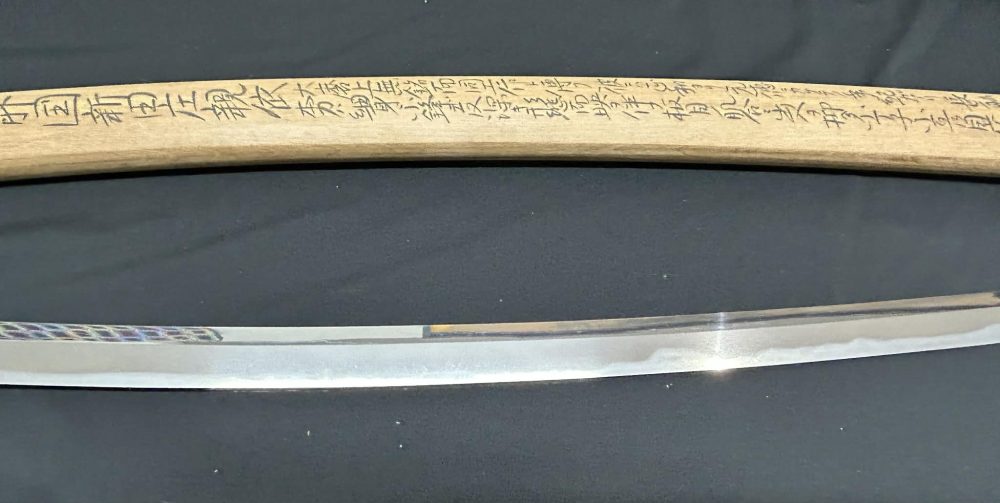
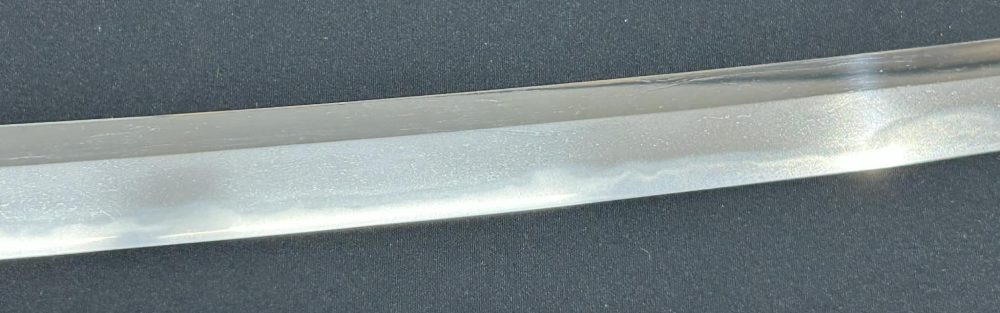
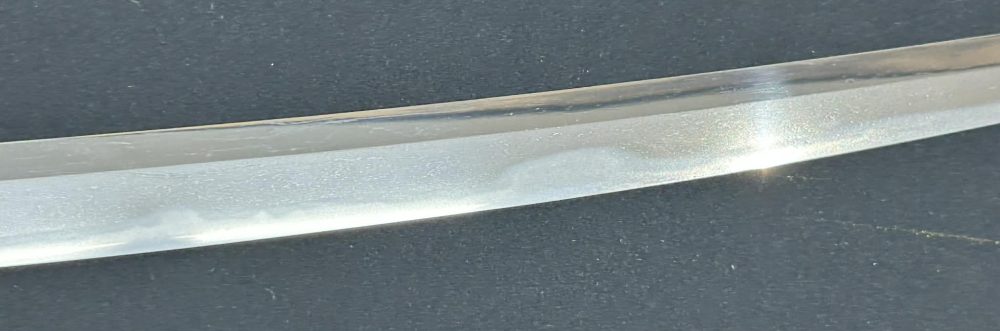
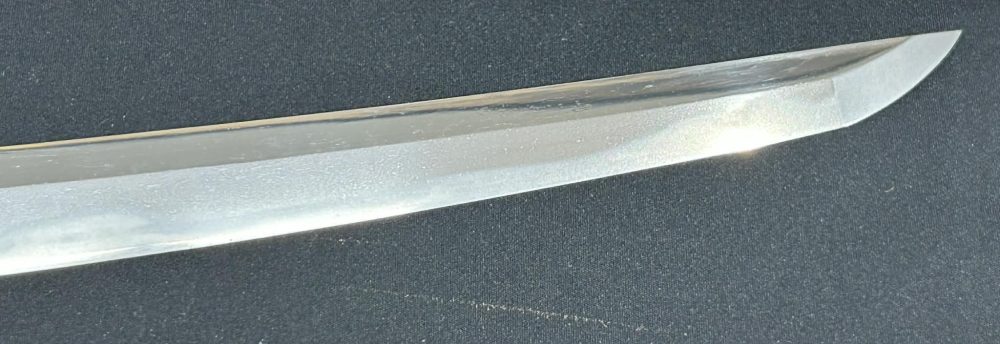
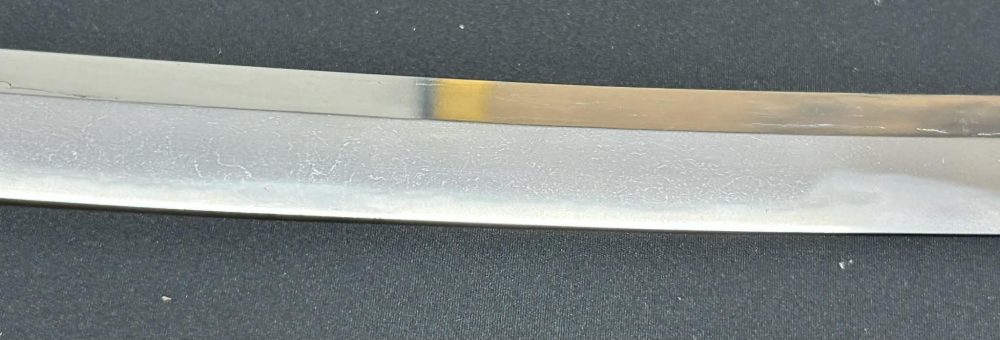
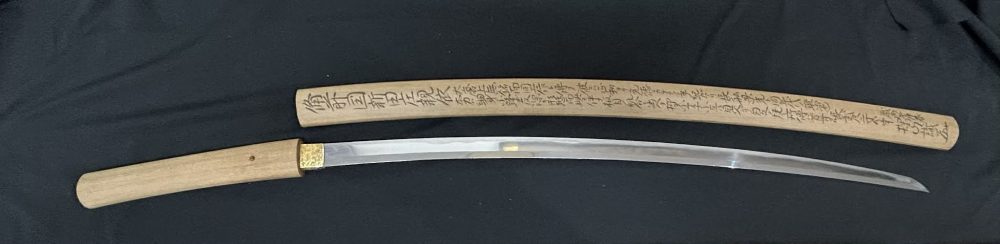
An Excellent late Kamakura katana attributed to Chikayori
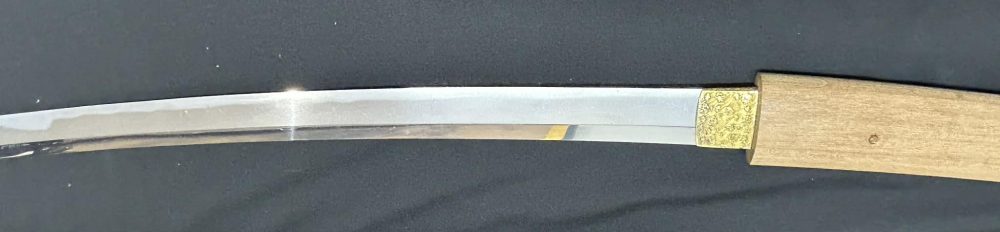
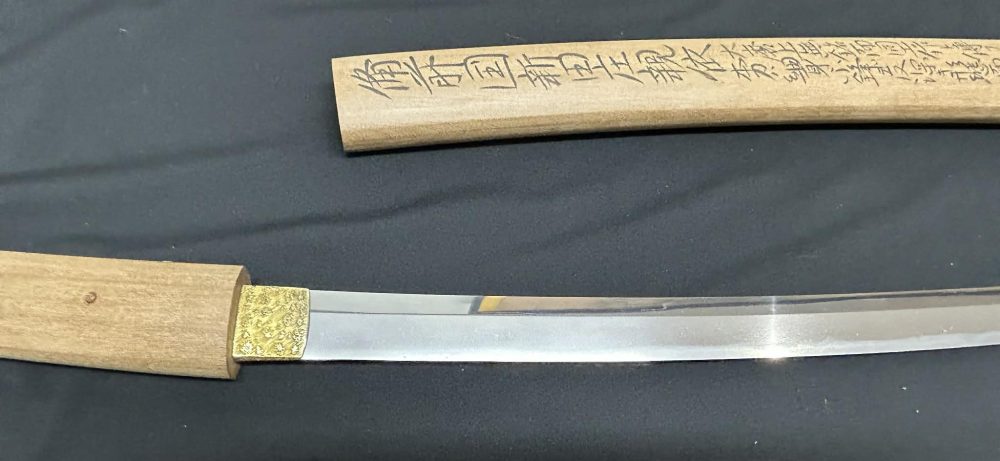
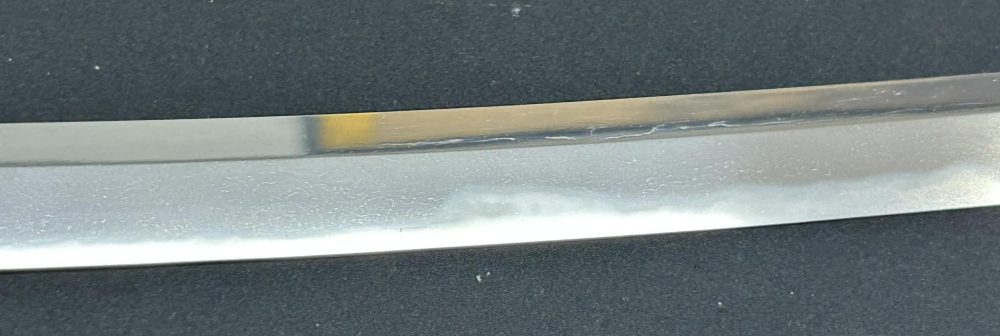
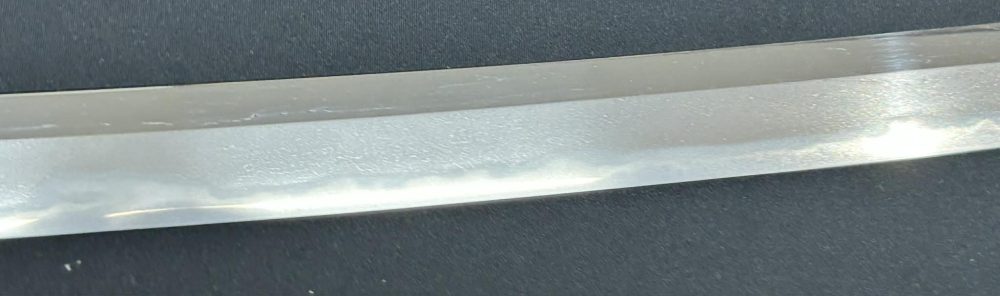
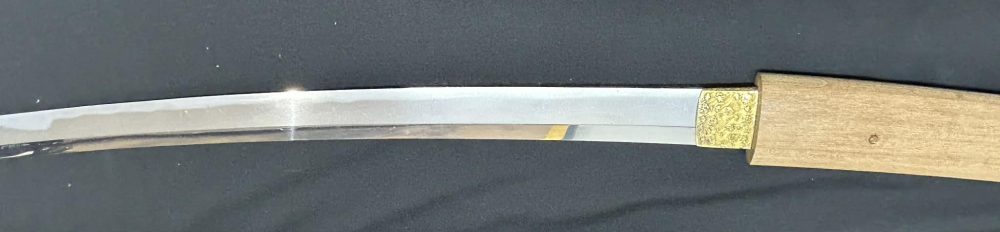
Mounted in Shirasaya. In full polish bright active Hamon, Blade has beautiful Utsuri
備前国新⽥庄親依
⼤磨上無銘⽽同⼯作ト傳フ彼ニハ正和ヨリ元徳ニカケテノ年紀ガアリ⻑船景光ト同年代ノ鍛冶
也本⼑ハ細⾝・⼩鋒デ反深キ形態⽽映ヲ伴フ板⽬ノ肌合ニ出⼊ヲ抑ヘタ⼩丁⼦・⼩互乃⽬交ジ
リ刃⽂ヲ焼キ所傳ハ⾸肯サル
⻑弐尺⼆⼨分半
歳丙午仲春
探⼭識「花押」
Bizen no Kuni Nitta no Shō Chikayori
Ō-suriage mumei nite dōkō-saku to tsutau. Kare ni wa Shōwa yori Gentoku ni kakete nenki ga ari Osafune
Kagemitsu to dō-nendai no kaji nari. Hontō wa hosomi, ko-kissaki de sori fukaku keitai nite utsuri o
tomonau itame no hada-ai ni deiri o isaeta ko-chōji, ko-gunome majiri hamon o yaki shoden wa shukō-saru.
Nagasa ni-shaku nu-sun bu-han
Toki ni hinoe-ura chūshun
Tanzan shirusu + kaō
Chikayori from the Nitta Manor of Bizen Province
This blade is ō-suriage mumei, but was handed down of a work of Chikayori. Dated works from
the era Shōwa (1312–1317) to the era Gentoku (1329–1331) exist by this smith, which makes him
a contemporary of Osafune Kagemitsu. This blade is slender and has a ko-kissaki and a deep sori.
It displays a forging structure in itame that is accompanied by an utsuri and is hardened in a ko-
chōji mixed with ko-gunome that has little undulations, and because of this interpretation, I am in
agreement with the period attribution.
Blade length ~ 66.8 cm
Written by Tanzan [Tanobe Michihiro] in February in the year of the horse of this era (2026) + Monogram
CHIKAYORI (親依), Shōwa (正和, 1312-1317), Bizen – “Bizen no Kuni Nitta no Shō-jū Chikayori tsukuru”
(備前国新田荘住親依造), “Bizen no Kuni Nitta mishō-jū Chikayori tsukuru” (備前国新田御庄住親依造), “Bizen no
Kuni Nitta no Shō-jū Uemon no Jō Chikayori tsukuru” (備前国新田庄住右衛門尉親依造), honorary title Uemon no
Jō (右衛門尉), there are date signatures extant from the fifth year of Shōwa (1316) to the third year of Gentoku (元徳,
1331), tachi-sugata of the late Kamakura period with a rather narrow mihaba, the hamon is calm and appears as suguha or
suguha that tends to a slightly undulating notare, hataraki are scarce, only some ko-ashi appear, some interpretations remind
of Kagemitsu (景光), he is listed in some sources with the characters (親頼), jō-saku